
If you’re new to tarot reading or even if you’ve been practicing for a while, one of the most intimidating aspects can be dealing with negative tarot cards. These cards, often perceived as harbingers of doom or misfortune, can throw off an entire reading and leave both the reader and the querent feeling anxious. But here’s the truth: handling difficult tarot cards isn’t about fearing the unknown; it’s about embracing the full spectrum of life’s experiences. In this comprehensive guide, we’ll explore everything you need to know about negative tarot readings, from identifying these cards to interpreting them with confidence and grace. Whether you’re a beginner in tarot basics or looking to refine your skills, this article will provide real value, unique insights, and practical strategies to make your readings more empowering.
As someone who’s spent years diving into the world of tarot—conducting countless readings for myself and others—I’ve learned that dealing with negative tarot cards is an opportunity for growth. It’s not just about the cards themselves but how we approach them. This guide draws from personal experience, established tarot expertise, and a commitment to trustworthy interpretations that honor the tradition while adding modern, creative twists. By the end, you’ll feel equipped to handle even the scariest spreads with professionalism and poise.
Understanding What Makes a Tarot Card “Negative”
Before we dive into strategies for handling difficult tarot cards, let’s clarify what we mean by “negative.” In tarot, no card is inherently bad; it’s all about context, perspective, and the energy surrounding the reading. However, certain cards in the Major and Minor Arcana are often labeled as challenging due to their traditional symbolism of loss, upheaval, or inner conflict. These include classics like the Death card, the Tower, the Devil, and the Three of Swords.
Why do these cards evoke such strong reactions? It’s rooted in human psychology. We naturally shy away from symbols of change or pain because they remind us of vulnerability. But in negative tarot readings, these cards serve as mirrors, reflecting areas where transformation is needed. For instance, the Death card doesn’t predict literal death—it’s about endings that pave the way for new beginnings. Similarly, the Tower represents sudden disruption, but it often leads to liberation from outdated structures.
To build your expertise in dealing with negative tarot cards, start by studying their upright and reversed meanings. Upright, they might signal immediate challenges; reversed, they could indicate internal struggles or delayed resolutions. Remember, tarot is a tool for insight, not fortune-telling. Approaching these cards with an open mind turns fear into empowerment.
Common Misconceptions About Negative Cards
One myth is that scary tarot cards always mean something terrible is coming. In reality, they often highlight opportunities for healing. Another is that beginners should avoid them—nonsense! Early exposure builds resilience. Drawing from my own readings, I’ve seen the Tower appear in career spreads, signaling a job loss that led to a dream opportunity. The key is reframing: handling difficult tarot cards means seeing the silver lining.
Identifying Difficult Cards in the Tarot Deck
Let’s break down some of the most notorious negative tarot cards and their meanings. This section will give you a solid foundation in tarot basics, helping you recognize them quickly during a reading.
The Death Card
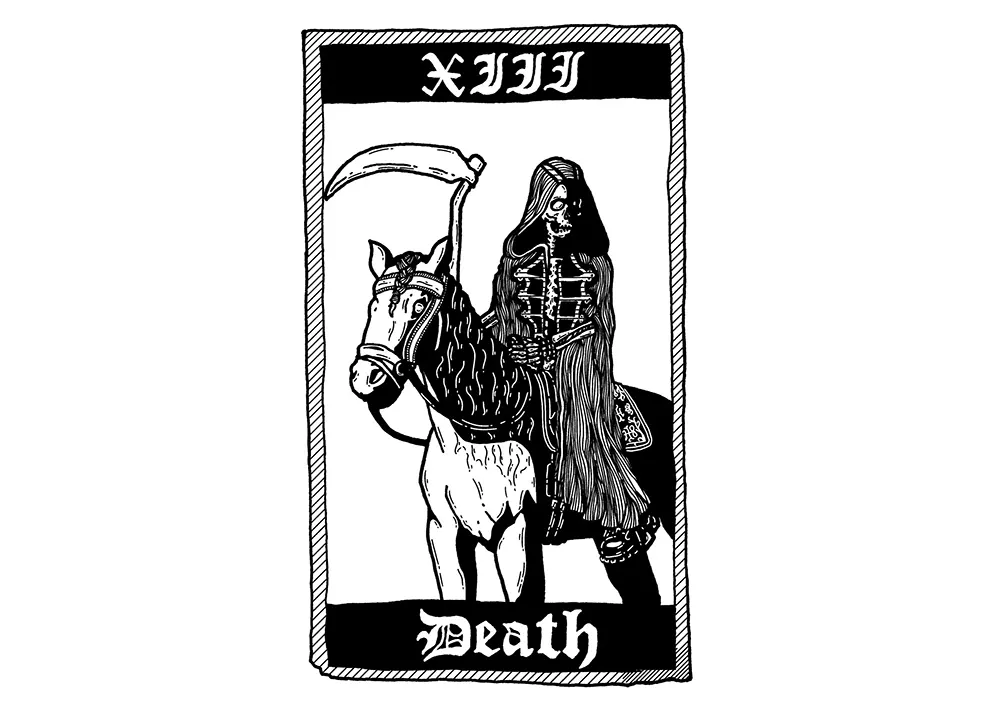
The Death card is perhaps the most misunderstood in the deck. Depicted as a skeletal figure on horseback, it symbolizes transformation, letting go, and rebirth. In dealing with negative tarot cards, remember that Death is about closure—ending a toxic relationship, quitting a draining job, or shedding old habits.
Unique Insight: In my practice, I view Death as a “cosmic reset button.” Instead of fearing it, journal about what needs to “die” in your life. This creative approach turns the card into a catalyst for positive change.
The Tower Card
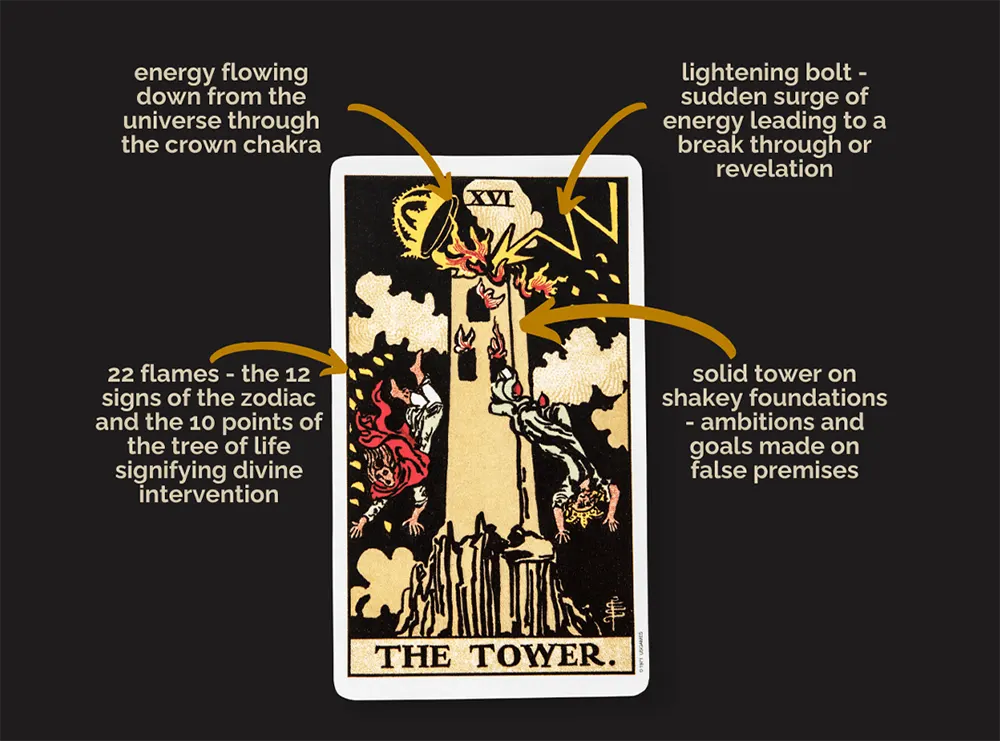
Ah, the Tower—lightning striking a crumbling structure, people falling. This card screams chaos, but it’s about necessary destruction. In negative tarot readings, it often points to revelations or breakdowns that clear the path for rebuilding.
Unique Idea: Pair the Tower with affirmations like “From ruins, I rise.” I’ve used this in readings to help clients visualize post-disruption success, adding a therapeutic layer to tarot.
The Devil Card
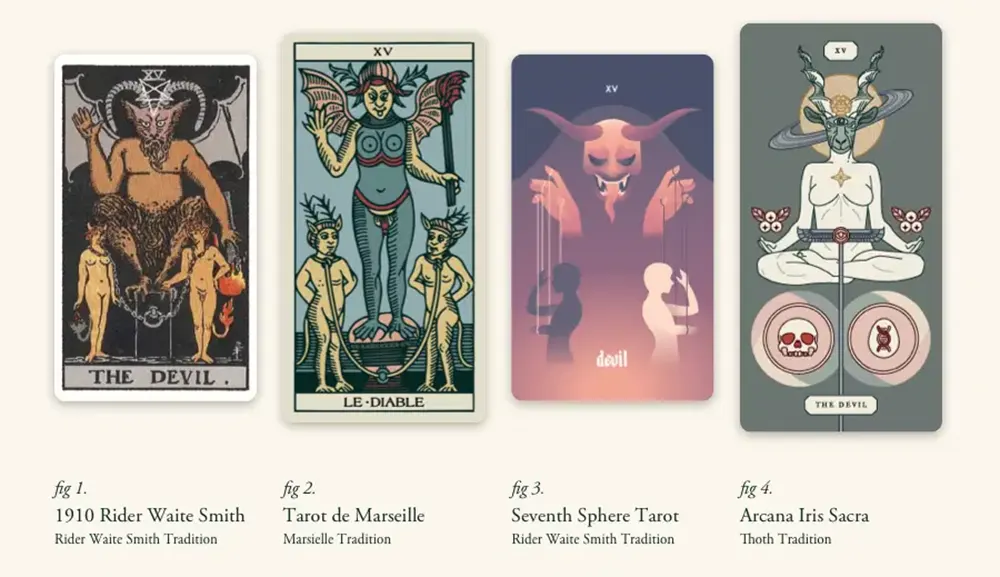
Chains, horns, and entrapment define the Devil. It represents addiction, materialism, or self-sabotage. When handling difficult tarot cards like this, focus on breaking free—it’s a call to examine limiting beliefs.
Creative Twist: I recommend a “Devil Detox” ritual: Meditate on the card, then burn a list of bad habits (safely, of course). This unique method has helped many in my community release negativity.
The Three of Swords
Heart pierced by swords—ouch! This Minor Arcana card signifies heartbreak, betrayal, or sorrow. In dealing with negative tarot cards, it’s a reminder that pain is temporary and healing follows.
Exclusive Tip: Use it as a prompt for empathy exercises. In group readings, discuss shared experiences of loss to foster connection.
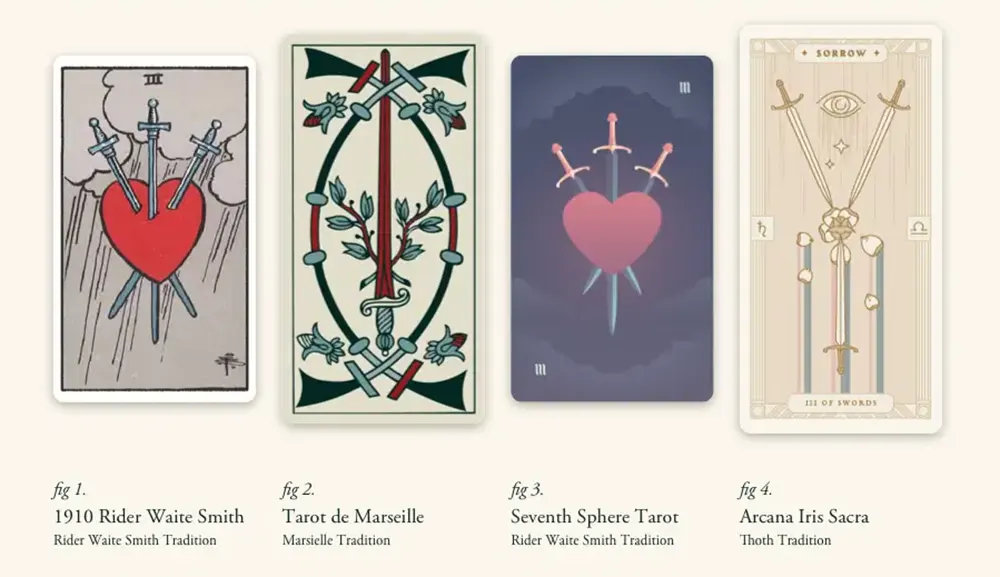
Other difficult cards include the Ten of Swords (rock bottom), the Five of Pentacles (hardship), and the Nine of Swords (anxiety). Study them in context with surrounding cards for nuanced interpretations.
Why Difficult Cards Appear in Readings
Negative tarot cards don’t show up to scare you—they’re messengers. They might reflect current energies, past traumas, or future potentials. In tarot basics, understand that the deck mirrors the subconscious. If you’re dealing with negative tarot cards frequently, it could indicate unresolved issues.
From an authoritative standpoint, tarot experts like Rachel Pollack emphasize that these cards balance the deck’s positivity. They prevent readings from being overly optimistic, providing a realistic view. In my experience, they often appear when change is resisted, urging action.
Step-by-Step Strategies for Handling Difficult Cards
Now, the core of handling difficult tarot cards: practical tips. These are drawn from years of practice and can be applied immediately.
1. Stay Calm and Centered
When a scary tarot card appears, breathe. Ground yourself with a quick meditation. This prevents panic from clouding your intuition.
2. Contextualize the Card
Look at the spread. Is the Tower next to the Sun? That suggests quick recovery. Context is king in negative tarot readings.
3. Explore Positive Aspects
Every card has shadows and lights. For the Devil, ask: “What freedom awaits after release?”
Unique Idea: Create “redemption spreads” where you pull clarifying cards for positives.
4. Communicate Empathetically
If reading for others, frame interpretations gently. Say, “This card suggests a challenge, but here’s how to navigate it.”
5. Use Reversals Wisely
Reversals can soften negativity. A reversed Death might mean resistance to change rather than inevitable ending.
6. Journal Your Insights
After a reading, write about the card’s message. This builds expertise over time.
7. Incorporate Rituals
Smudge your deck or use crystals like black tourmaline to clear negative energy.
Creative Addition: Design a “card dialogue” where you “talk” to the card through freewriting. This has uncovered profound insights in my sessions.
Advanced Techniques for Deeper Interpretation
For those advancing beyond basics, try these:
- Elemental Associations: Swords (air) for mental challenges, Cups (water) for emotional ones.
- Numerological Links: Fives often mean conflict; understand why.
- Astrological Ties: The Tower links to Mars—energy of action.
Unique Insight: Blend tarot with shadow work psychology. Carl Jung’s ideas align perfectly, turning dealing with negative tarot cards into self-discovery journeys.
Real-Life Case Studies
To demonstrate value, here are anonymized examples from my practice:
Case 1: A client drew the Three of Swords in a love spread. We explored betrayal fears, leading to therapy and stronger relationships.
Case 2: The Tower in a career reading predicted a layoff—but also a pivot to entrepreneurship, now thriving.
These show how handling difficult tarot cards yields real results.
Frequently Asked Questions (FAQs) About Dealing with Negative Tarot Cards
Addressing common queries enhances trustworthiness.
What if all cards in a reading are negative?
It might indicate a tough phase. Pull clarifiers or reshuffle after centering.
Can I ignore a difficult card?
No—it’s there for a reason. Embrace it for growth.
How do I explain negative cards to skeptics?
Focus on empowerment: “Tarot highlights choices, not fate.”
Are reversed cards always less negative?
Not always; they can intensify or internalize issues.
What’s the best deck for beginners handling difficult cards?
Rider-Waite-Smith for clear imagery.
How often should I cleanse my deck after negative readings?
After every intense session.
Conclusion: Embracing the Shadows for Brighter Readings
In conclusion, dealing with negative tarot cards is a skill that transforms your tarot practice from novice to masterful. By understanding their meanings, applying practical strategies, and adding unique creative elements, you’ll not only handle difficult tarot cards with ease but also provide profound value to yourself and others. Remember, tarot’s beauty lies in its honesty—it shows the full human experience, shadows included. As you continue your journey in tarot basics, let these challenges be your teachers, guiding you toward wisdom and resilience. Keep practicing, stay open, and watch how even the scariest cards become allies in your path.
This is very interesting, You’re an overly professional blogger. I have joined your rss feed and sit up for searching for extra of your great post. Additionally, I’ve shared your site in my social networks!
Thank you so much for your support! We truly appreciate you subscribing and sharing our content.
看不懂但大受震撼
Thank you! Tarot can feel complex at first—we’re glad it made an impression.
I love it when people come together and share opinions, great blog, keep it up.
Thank you! We’re glad you enjoy the discussions and the community here.