
In the ancient art of palmistry, few features captivate seekers more than the life line in palmistry. Curving gracefully around the base of the thumb like a river charting life’s journey, this prominent crease offers profound insights into vitality, resilience, and personal energy. Far from the outdated myth of predicting lifespan, the life line in palmistry reveals the quality of your experiences, health patterns, and inner strength.
What makes it truly fascinating? Its interpretations shift dramatically across cultures. In Indian palmistry, it echoes karmic lessons from past lives. Chinese traditions tie it to the flow of qi and elemental balance. Western palmistry views it through a lens of psychological independence and modern self-empowerment.
This comprehensive guide dives deep into these cultural views of the life line in palmistry. Whether you’re a curious beginner or an experienced reader, you’ll gain actionable insights, practical reading tips, and fresh perspectives to enrich your understanding. By the end, you’ll see how this single line bridges centuries of wisdom – empowering you to navigate your own path with greater clarity and confidence.
What Is the Life Line in Palmistry? The Universal Foundation
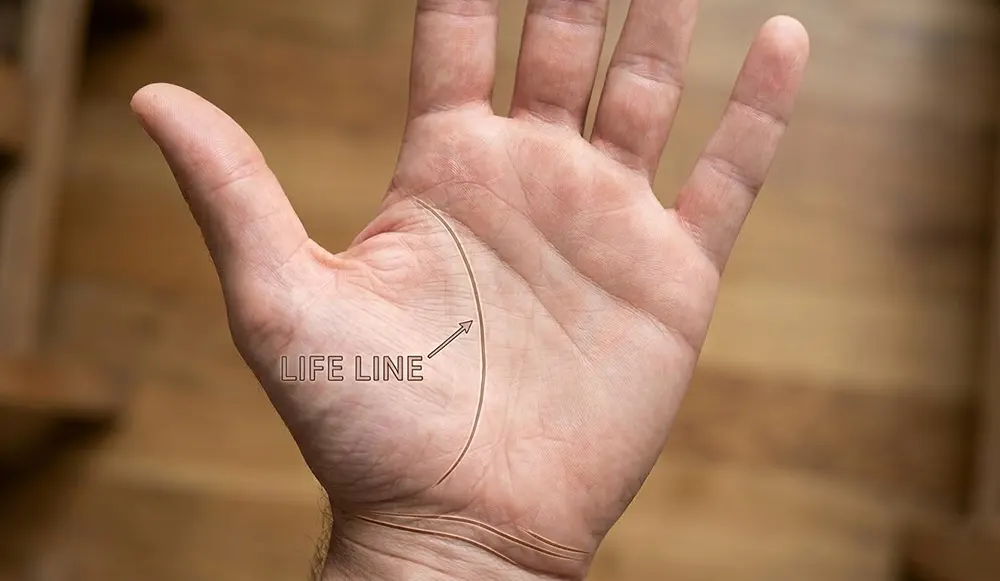
The life line in palmistry is one of the three major lines (alongside the heart and head lines). It originates at the edge of the palm, between the thumb and index finger, and arcs downward toward the wrist, encircling the Mount of Venus – the fleshy pad at the thumb’s base associated with passion and life force.
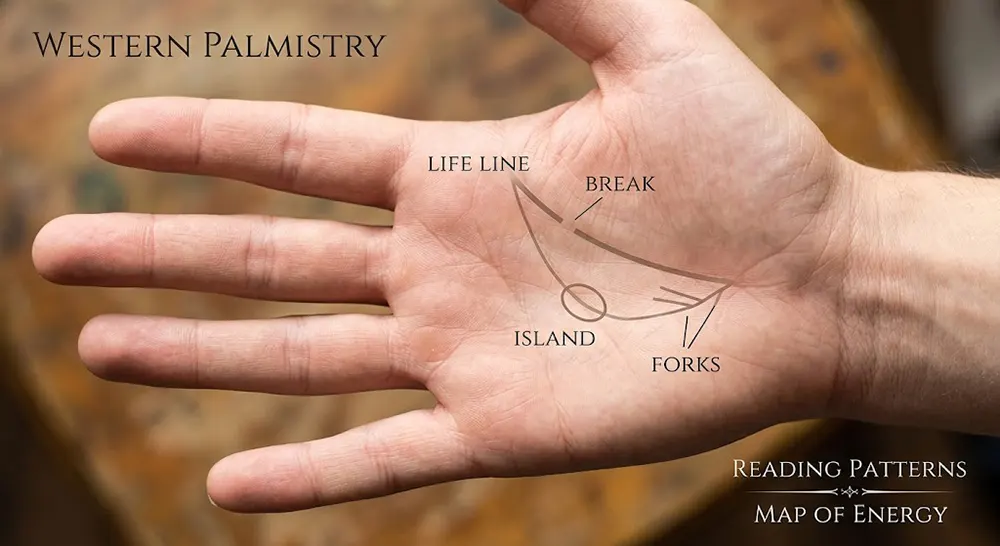
Across all traditions, the life line in palmistry symbolizes vitality and energy flow rather than chronological years lived. A deep, clear line suggests robust stamina; a faint or broken one points to periods of challenge or transformation. Length indicates breadth of experience, depth reflects inner strength, and markings like islands or forks highlight pivotal life events.
This universality creates a perfect canvas for cultural nuance. Indian, Chinese, and Western palmists all read the same line – yet their lenses reveal strikingly different stories about resilience, destiny, and personal growth. Let’s explore each tradition in depth, drawing from classical texts and practical observations to deliver real value for your own readings.
Indian Palmistry: The Life Line as Karmic Blueprint (Hast Samudrika Shastra)
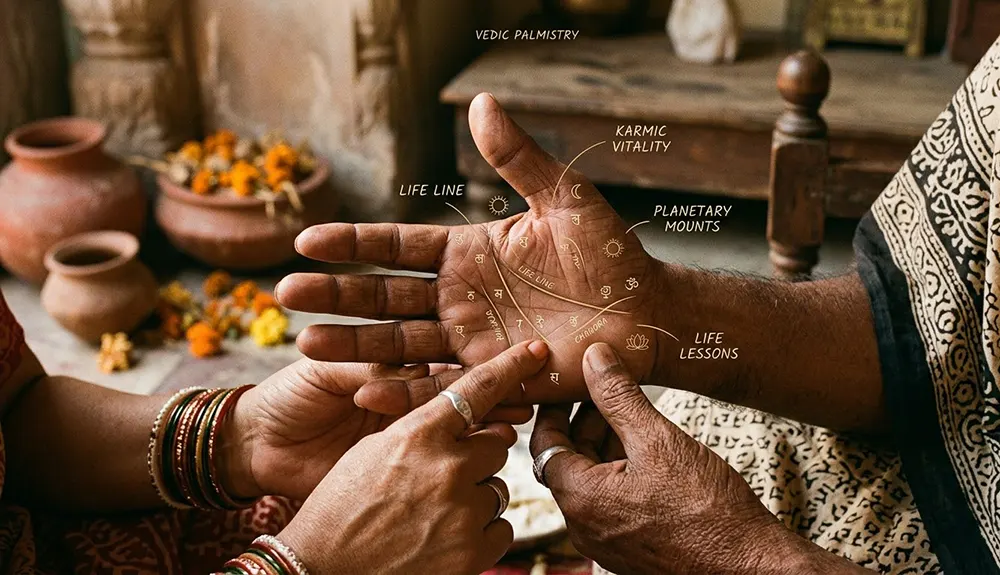
In Indian palmistry, known as Hast Samudrika Shastra or Vedic palmistry, the life line in palmistry is called Jeevan Rekha – the line of life. Rooted in ancient Vedic wisdom dating back thousands of years, it intertwines with planetary influences, karmic patterns from past lives, and the mounts of the hand (especially Venus for emotional vitality).
Here, the life line in palmistry doesn’t just show energy; it maps your soul’s journey through karma. A long, deep, unbroken line signals strong vitality, steady resilience, and a purposeful path blessed by positive past actions. Short or shallow lines suggest a life that may feel stagnant or lacking dynamism – not a short existence, but one needing conscious effort to break free from routines.
Breaks or gaps mark major transitions: illnesses, relocations, or transformative decisions. In Vedic terms, these often tie to karmic lessons, especially under Rahu’s influence (a shadow planet linked to sudden upheavals). Islands on the life line in palmistry – small oval interruptions – indicate periods of struggle, such as mental health challenges, wrong decisions, or emotional lows. Vedic practitioners might recommend remedies like wearing a Hessonite garnet (Gomed) to mitigate these effects and restore mental peace.
Upward branches bring joy and success; downward ones signal temporary sadness or loss. A chained life line suggests fluctuating energy and instability, urging balance through practices like meditation or emerald gemstones for steadiness.
Unique Indian Insight: The dominant hand reveals your current choices and active karma, while the passive hand shows inherited patterns. Comparing both hands offers a holistic view – a powerful tool for self-awareness in today’s fast-paced world. This karmic perspective empowers you not as a victim of fate but as an active participant shaping your vitality.
In practice, Indian palmists integrate the life line in palmistry with hand shape: square hands indicate practical energy, while conic hands suggest creative flair influencing how you channel that life force.
Chinese Palmistry: The Life Line as Qi Energy Flow
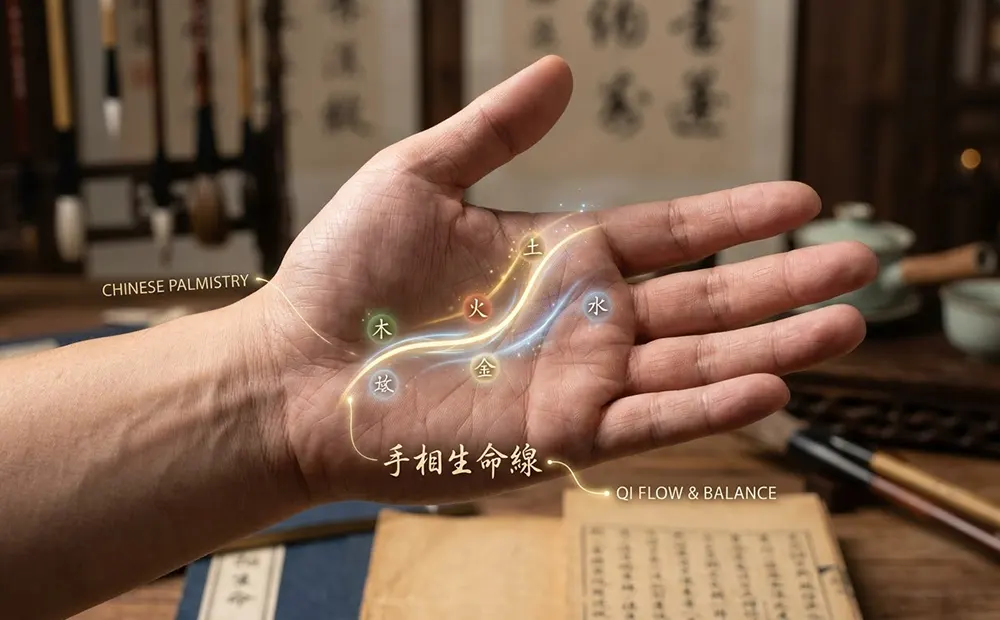
Chinese palmistry, deeply rooted in Taoist philosophy and the Five Elements (wood, fire, earth, metal, water), treats the life line in palmistry as a map of physical vitality and qi (life energy). Unlike the karmic focus in India, Chinese interpretations emphasize balance, immune strength, and elemental harmony.
A long, deep, rosy-colored life line in palmistry signals exceptional disease resistance and abundant qi. Thick lines suit those thriving in physical labor or sports; slim ones favor intellectual pursuits. A straight line hugging close to the thumb indicates limited energy and caution in relationships – a call to nurture earth and water elements through diet or tai chi.
Breaks represent accidents or illnesses, but overlapping segments promise swift recovery. Islands warn of hospitalization periods; their size and location pinpoint timing. A doubled life line (a parallel “sister” line) is a powerful sign of super-strong vitality, family support, and rapid self-healing – rare and highly auspicious.
Branches carry specific meanings: upward ones denote ambition and knowledge-seeking; downward tassels at the end suggest loneliness in later years. Forks at the termination indicate a busy but successful middle-to-late life, especially if pursuing opportunities abroad.
Unique Chinese Insight: Color and texture matter profoundly – a tender, rosy line reflects balanced qi, while chained lines hint at digestive weaknesses. Chinese palmists note gender differences in reading hands (left for men, right for women in some schools), tying interpretations to yin-yang dynamics. This elemental approach offers practical lifestyle advice: strengthen a weak life line in palmistry with grounding foods or qigong to harmonize your energy.
The Chinese view transforms the life line in palmistry from a static fate marker into a dynamic wellness guide – perfect for modern readers seeking holistic health alignment.
Western Palmistry: The Life Line as Path of Independence and Vitality
Western palmistry, evolving from ancient Greek and Roman chiromancy into a psychological tool popularized in the 19th-20th centuries, reads the life line in palmistry through lenses of personality, self-reliance, and energetic resilience. It strips away heavy destiny predictions, focusing instead on personal empowerment.
A long, deep life line in palmistry here denotes robust health, strength, and zest for life. Short lines suggest independence and comfort in solitude – not weakness, but a grounded self-sufficiency. Deep, thick lines favor high-energy pursuits like athletics; shallow or wavy ones indicate mental focus or potential emotional influences on physical stamina.
Broken lines mark challenges or illnesses but also turning points toward growth. Islands signal interruptions like depression or major life shifts. A doubled life line offers hearty protection against setbacks. Forks and tridents at the end promise redirection, travel, or good fortune – encouraging adventure.
Unique Western Insight: The line’s distance from the thumb reveals energy levels: swooping outward for abundant vitality, close for conservation mode. Western readers emphasize free will – markings are predispositions you can influence through lifestyle choices. This makes the life line in palmistry a motivational mirror, ideal for coaching or personal development.
In modern Western practice, integrate it with other lines for a holistic personality profile, turning ancient art into practical self-help.
Cross-Cultural Comparisons: What Unites and Divides the Life Line in Palmistry
Despite differences, striking similarities emerge: all cultures reject the lifespan myth, emphasizing quality over quantity. Vitality, health challenges, and life transitions appear universally.
- Indian adds karmic depth and remedies for empowerment.
- Chinese stresses elemental balance and qi for wellness.
- Western highlights psychological growth and choice.
Unique Idea: The Life Line as Cultural Mirror Your heritage may subtly influence how you “feel” your life line. Someone with Indian roots might intuitively sense karmic timing; a Chinese-influenced reader notices energy ebbs like seasonal qi shifts. Blending traditions creates a “global palmistry” – read for karma (Indian), balance remedies (Chinese), and mindset shifts (Western) for transformative self-growth.
Practical tip: Photograph both hands monthly. Track changes in your life line in palmistry alongside life events for personalized insights.
How to Read Your Own Life Line in Palmistry: Step-by-Step Guide
- Choose your dominant hand for current life.
- Note overall length, depth, and curve.
- Examine markings by approximate age zones (top = youth, bottom = later years).
- Cross-reference with cultural lenses above.
- Journal reflections and action steps.
This hands-on approach delivers real value – turning curiosity into empowerment.
FAQs: Common Questions About the Life Line in Palmistry
1. Does a short life line in palmistry mean a short life? No. Across Indian, Chinese, and Western views, it indicates independence or focused energy, not lifespan. Focus on quality and vitality instead.
2. What do breaks in the life line in palmistry signify culturally? Indian: Karmic transitions; Chinese: Recoverable illnesses with support; Western: Life redirections. Overlaps often promise positive outcomes.
3. Can the life line in palmistry change over time? Yes! Palm lines evolve with choices, reflecting personal growth – a reminder of free will in all traditions.
4. How does the life line in palmistry differ by gender or hand? Chinese traditions sometimes prioritize left for men/right for women; Indian uses dominant for present. Western treats both equally. Always compare for depth.
5. Is there a “perfect” life line in palmistry? Deep, clear, rosy, and swooping – but imperfections offer growth opportunities unique to your culture and path.
6. Should I worry about islands or chains on my life line? View them as signals for self-care, not doom. Combine cultural insights with practical steps like exercise or mindfulness.
7. How accurate is cultural blending for the life line in palmistry? Highly insightful for modern lives. It honors heritage while adapting wisdom for today’s challenges.
Conclusion: The Life Line in Palmistry – A Universal Thread of Vitality and Wisdom
The life line in palmistry transcends borders, reminding us that true strength lies not in predicting the future but in embracing our energy, navigating changes, and growing through every curve. Indian karmic wisdom teaches resilience through lessons; Chinese elemental balance offers harmonious living; Western insight empowers personal choice.
By understanding these cultural views of the life line in palmistry, you gain more than knowledge – you unlock a deeper connection to yourself and humanity’s shared heritage. Your palm isn’t a fixed map; it’s an evolving story waiting for your authorship.
Next time you glance at your hands, see the life line in palmistry not as mystery but as invitation: to live vibrantly, heal proactively, and honor the rich tapestry of global wisdom.
Ready to explore further? Examine your palms today, journal your findings, and revisit this guide as your life unfolds. The universe – and your life line – holds infinite possibilities.
Related Posts
The Influence of Mounts on Life Line Strength in Palmistry: Unlocking Your Vitality Blueprint
Sun Line and Wealth: How Your Palm’s Apollo Line Reveals Financial Creativity
Life Line Ending in a Fork: Paths to Longevity
Partial Sun Line in Palmistry: Emerging Talent and Recognition
Famous Personalities with Strong Fate Lines
Faint Fate Line in Palmistry: What It Reveals About Gradual Career Development and Your Destiny