
Astrology has fascinated people for centuries, offering a lens to understand personality, relationships, life cycles, and even decision-making. If you’re new to the subject, diving into astrology for beginners can feel overwhelming at first—there are planets, signs, houses, aspects, and more. But fear not. This comprehensive guide breaks down the essential astrology basics and key astrology terms you need to know to start your journey with confidence.
Whether you’re curious about your Sun sign, want to explore your birth chart, or simply understand why your horoscope resonates (or doesn’t), mastering these foundational concepts will give you practical tools for self-discovery and personal growth. By the end of this article, you’ll have a clear, actionable grasp of astrology for beginners and be ready to read basic charts or interpret daily transits.
What Is Astrology? A Quick Foundation
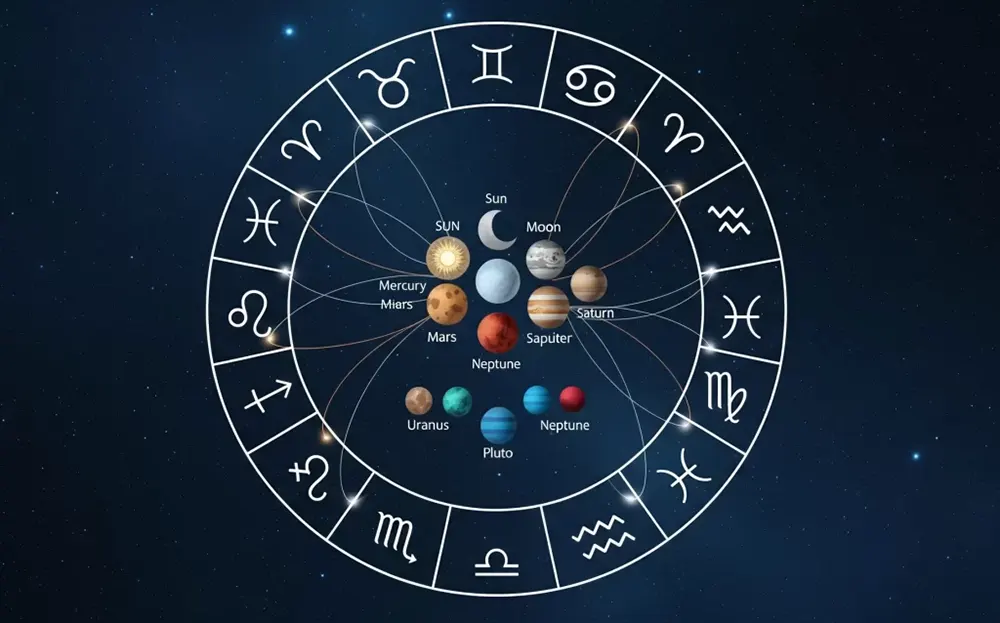
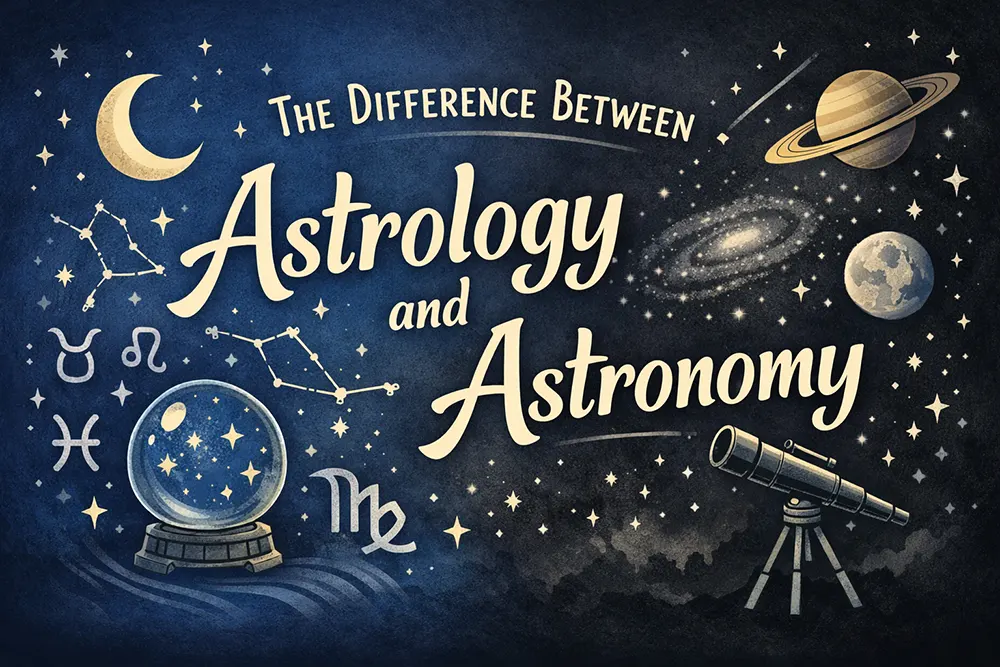
Astrology is the study of how the positions and movements of celestial bodies—Sun, Moon, planets, and stars—influence human life and events on Earth. Unlike astronomy (the scientific study of space), astrology is symbolic and interpretive, rooted in ancient traditions from Babylonian, Greek, Egyptian, and Vedic cultures.
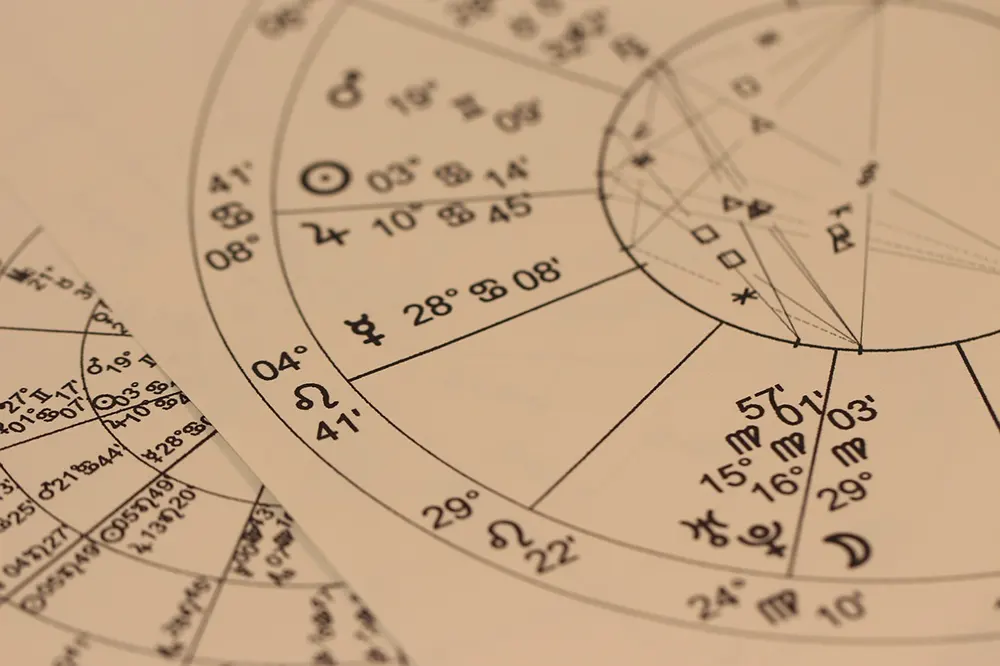
For astrology for beginners, think of it as a symbolic language. The sky at your birth moment is like a cosmic snapshot, frozen in a chart called the natal chart or birth chart. This map reveals patterns that reflect your personality, strengths, challenges, and life themes.
Modern astrology basics blend ancient wisdom with psychology. Many practitioners view it as a tool for self-awareness, emotional intelligence, and decision-making rather than strict fortune-telling.
The Zodiac Signs: Your Core Personality Archetypes
The zodiac is divided into 12 signs, each spanning 30 degrees of the 360-degree celestial circle. Your Sun sign (where the Sun was at birth) is the most popular starting point in astrology for beginners.
Here are the 12 signs, their dates, ruling planets, elements, and modalities:
- Aries (March 21–April 19) – Ruled by Mars; Fire; Cardinal Bold, pioneering, impulsive. Aries energy initiates action.
- Taurus (April 20–May 20) – Ruled by Venus; Earth; Fixed Steady, sensual, stubborn. Taurus builds security and enjoys life’s pleasures.
- Gemini (May 21–June 20) – Ruled by Mercury; Air; Mutable Curious, communicative, adaptable. Gemini thrives on ideas and variety.
- Cancer (June 21–July 22) – Ruled by Moon; Water; Cardinal Nurturing, intuitive, protective. Cancer prioritizes home and emotions.
- Leo (July 23–August 22) – Ruled by Sun; Fire; Fixed Charismatic, creative, proud. Leo shines in self-expression and leadership.
- Virgo (August 23–September 22) – Ruled by Mercury; Earth; Mutable Analytical, helpful, perfectionist. Virgo refines details and serves others.
- Libra (September 23–October 22) – Ruled by Venus; Air; Cardinal Diplomatic, harmonious, indecisive. Libra seeks balance and beauty in relationships.
- Scorpio (October 23–November 21) – Ruled by Pluto (traditional Mars); Water; Fixed Intense, transformative, secretive. Scorpio dives deep into power and intimacy.
- Sagittarius (November 22–December 21) – Ruled by Jupiter; Fire; Mutable Adventurous, philosophical, blunt. Sagittarius seeks truth and expansion.
- Capricorn (December 22–January 19) – Ruled by Saturn; Earth; Cardinal Ambitious, disciplined, reserved. Capricorn builds lasting structures.
- Aquarius (January 20–February 18) – Ruled by Uranus (traditional Saturn); Air; Fixed Innovative, humanitarian, detached. Aquarius champions progress and originality.
- Pisces (February 19–March 20) – Ruled by Neptune (traditional Jupiter); Water; Mutable Compassionate, imaginative, escapist. Pisces flows with empathy and creativity.
Unique Insight: In astrology for beginners, signs aren’t just “sun sign horoscopes.” They represent archetypes. Understanding your dominant signs (Sun, Moon, Rising) helps you see how you show up in the world versus how you feel internally.
Elements and Modalities: The Building Blocks of Energy
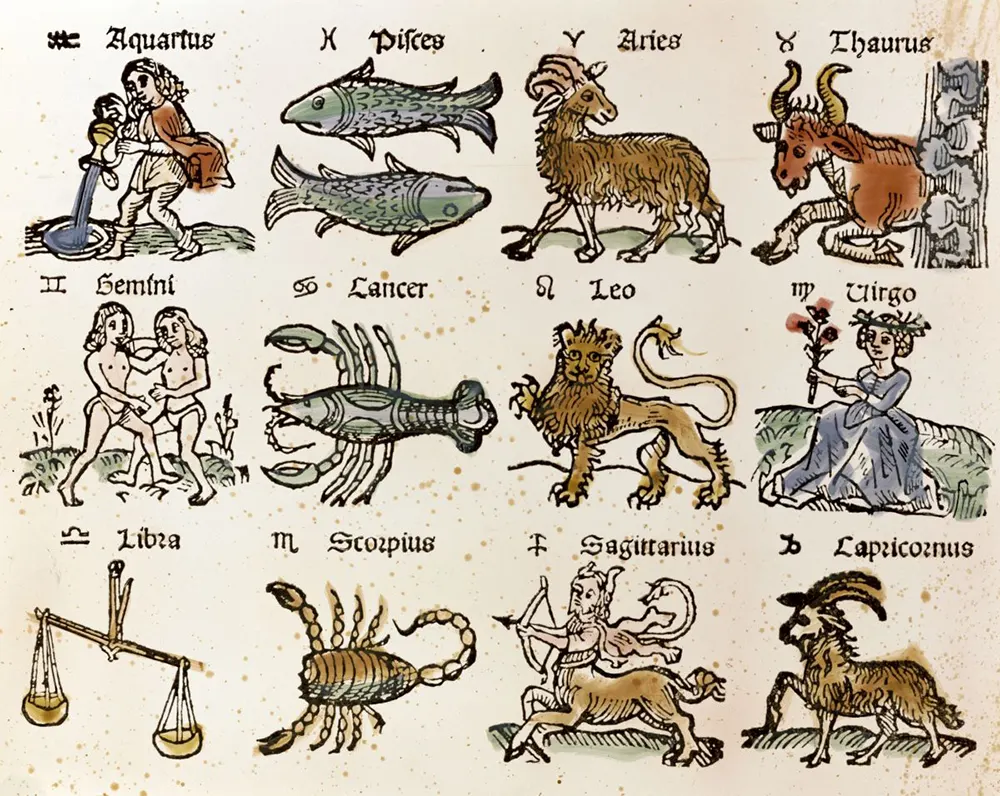
Every sign belongs to an element and a modality—two key astrology terms for understanding energy flow.
Elements (how energy expresses):
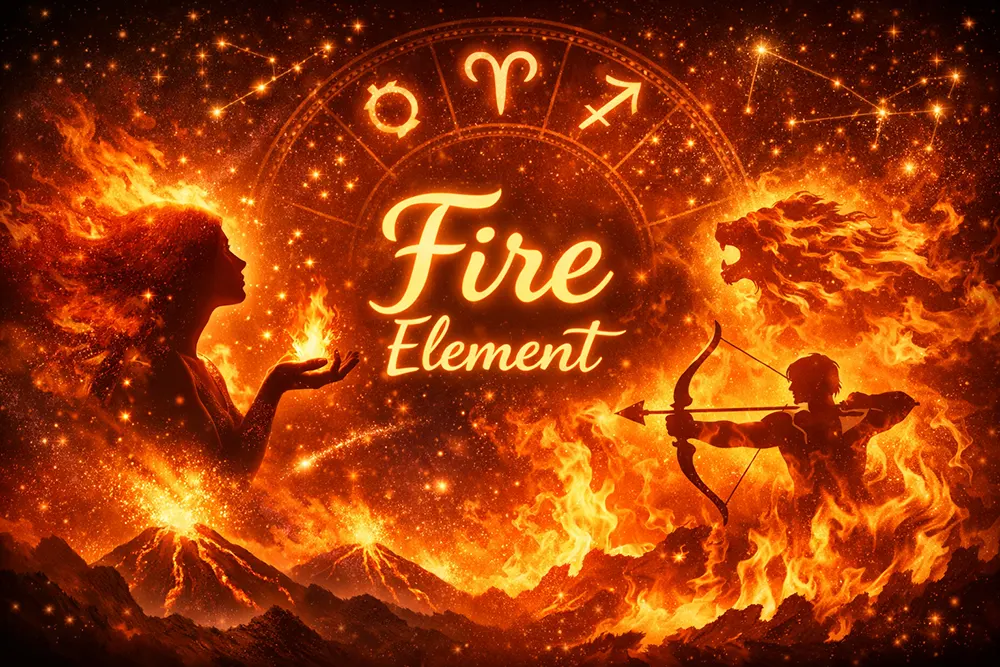
- Fire (Aries, Leo, Sagittarius): Passionate, dynamic, inspirational.
- Earth (Taurus, Virgo, Capricorn): Practical, grounded, reliable.
- Air (Gemini, Libra, Aquarius): Intellectual, social, communicative.
- Water (Cancer, Scorpio, Pisces): Emotional, intuitive, empathetic.
Modalities (how energy moves):
- Cardinal (Aries, Cancer, Libra, Capricorn): Initiators, starters of seasons.
- Fixed (Taurus, Leo, Scorpio, Aquarius): Stabilizers, maintainers.
- Mutable (Gemini, Virgo, Sagittarius, Pisces): Adaptors, changers.
Unique perspective: In modern practice, balancing your elemental makeup fosters emotional resilience. Too much fire? You might burn out. Too much water? You could drown in feelings. This framework turns astrology basics into a practical self-care tool.
The Planets: Personal vs. Generational Influences
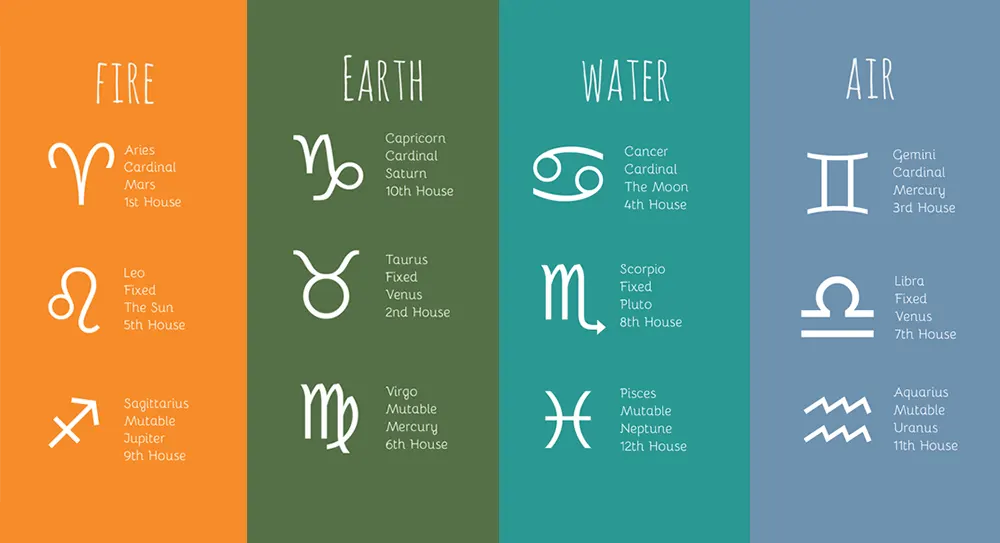
Planets represent different drives in your psyche.
Personal Planets (fast-moving, individual):
- Sun: Core identity, ego.
- Moon: Emotions, instincts, needs.
- Mercury: Communication, thinking.
- Venus: Love, values, aesthetics.
- Mars: Drive, action, anger.
Social Planets:
- Jupiter: Growth, luck, philosophy.
- Saturn: Discipline, limits, maturity.
Outer Planets (generational):
- Uranus: Innovation, rebellion.
- Neptune: Dreams, spirituality, illusion.
- Pluto: Transformation, power.
Retrograde planets (appearing to move backward) intensify internal focus. For astrology for beginners, retrograde Mercury often means revisiting communication issues.
The 12 Houses: Life Areas Where Energies Play Out
Houses show where planetary energies manifest.
- 1st House: Self, appearance (Rising sign here).
- 2nd: Values, possessions.
- 3rd: Communication, siblings.
- 4th: Home, family roots.
- 5th: Creativity, romance, children.
- 6th: Health, daily routines, work.
- 7th: Partnerships, marriage.
- 8th: Shared resources, intimacy, transformation.
- 9th: Travel, higher learning, beliefs.
- 10th: Career, public image (Midheaven).
- 11th: Friends, groups, aspirations.
- 12th: Subconscious, spirituality, hidden matters.
Aspects: The Conversations Between Planets
Aspects are angles between planets, showing harmony or tension:
- Conjunction (0°): Blended energy.
- Sextile (60°): Opportunity.
- Square (90°): Challenge, growth.
- Trine (120°): Natural talent.
- Opposition (180°): Balance needed.
Key Placements for Beginners: Sun, Moon, Rising
- Sun Sign: Your essence.
- Moon Sign: Emotional world.
- Rising Sign (Ascendant): Outer mask, first impressions.
Many beginners discover their “big three” and gain instant insight.
Other Essential Astrology Terms
- Transit: Current planet movements affecting your chart.
- North/South Node: Karmic path (destiny vs. comfort zone).
- Chiron: Wounded healer.
- Midheaven (MC): Career calling.
- Composite Chart: Relationship chart.
How to Start Reading Your Birth Chart
- Generate your free natal chart (sites like astro.com).
- Note Sun, Moon, Rising.
- Look at house placements.
- Check major aspects.
Practice with friends’ charts for deeper understanding.
Common Misconceptions in Astrology for Beginners
- Astrology isn’t deterministic—free will matters.
- It’s not just Sun signs; full charts tell the real story.
- No sign is “better” than another.
Frequently Asked Questions (FAQs)
What is the best way to learn astrology for beginners?
Start with your big three, then explore books like “The Only Astrology Book You’ll Ever Need” by Joanna Martine Woolfolk or online courses.
How accurate is astrology?
It excels at patterns and self-reflection, not precise predictions. Many use it alongside therapy or journaling.
Can astrology help with relationships?
Yes—synastry (comparing charts) reveals compatibility dynamics.
What’s the difference between tropical and sidereal zodiac?
Tropical (Western) aligns with seasons; sidereal (Vedic) with constellations.
Is astrology scientific?
No, it’s symbolic. But studies on lunar cycles and behavior show intriguing correlations.
Conclusion: Your Cosmic Journey Starts Here
Mastering astrology for beginners isn’t about memorizing terms—it’s about using them as mirrors for growth. These key astrology terms empower you to navigate life with greater self-compassion, understand others, and align with your authentic path.
The stars don’t dictate; they illuminate. Embrace this ancient-yet-timely wisdom, and let it guide your curiosity. Your birth chart is a unique blueprint—explore it, and discover the magic within.
I love the efforts you have put in this, appreciate it for all the great posts.
Thank you so much for your kind words! We truly appreciate your support and are glad you’re enjoying our astrology content, especially this beginner’s guide.
You should take part in a contest for among the finest blogs on the web. I will suggest this site!
Thank you so much for the support! We truly appreciate the recommendation.