
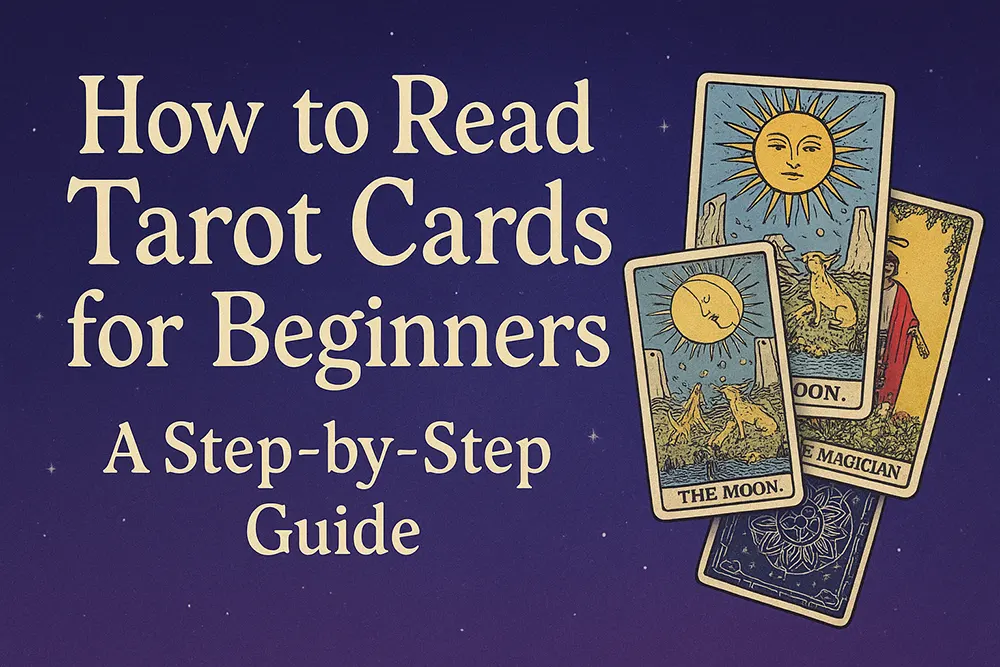
Are you intrigued by the mystical world of tarot and wondering how to read tarot cards for beginners? Whether you’re drawn to the ancient art of divination for self-reflection, guidance, or simply curiosity, starting your journey with tarot can be both exciting and transformative. In this comprehensive guide, we’ll walk you through everything you need to know to conduct your first tarot reading step by step. As a palm reader and astrologer, I’ve seen how tarot complements other intuitive practices, offering profound insights into life’s questions. This article is designed for absolute beginners, focusing on the basics of tarot reading while emphasizing practical tips to make your experience enjoyable and meaningful.
Tarot reading has surged in popularity in recent years, with more people turning to it for clarity in uncertain times. If you’re searching for “how to read tarot cards for beginners”, you’re in the right place. We’ll cover the fundamentals, from choosing your deck to interpreting cards, ensuring you feel confident enough to try your first reading. By the end, you’ll have a solid foundation in tarot basics, ready to explore this enchanting tool on your own.
Before we dive in, let’s address why tarot appeals to so many. Unlike rigid fortune-telling, tarot is a reflective practice that encourages introspection. It’s not about predicting the future with certainty but about gaining perspectives on your current path. For beginners, starting with simple spreads and building intuition is key. This guide will emphasize “tarot reading step by step,” helping you avoid common pitfalls and embrace the process with an open heart.
The Rich History of Tarot: Setting the Foundation
To truly appreciate how to read tarot cards for beginners, it’s helpful to understand where this practice originated. Tarot cards date back to the mid-15th century in Europe, initially used for playing games like the Italian tarocchi. It wasn’t until the 18th century that they evolved into tools for divination, thanks to occultists like Antoine Court de Gébelin, who linked them to ancient Egyptian wisdom—though modern scholars debate this connection.
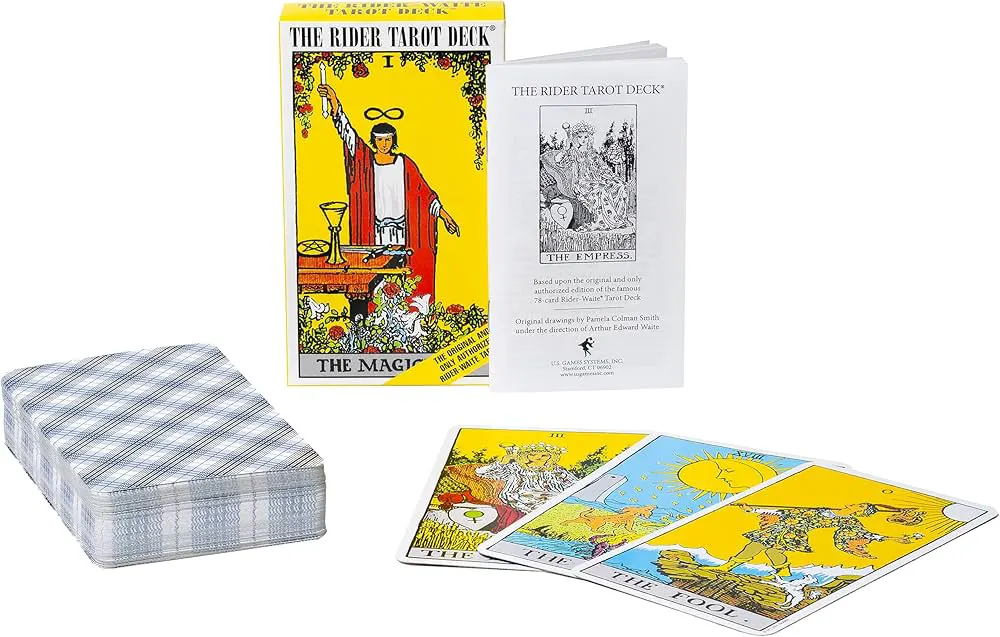
The standard tarot deck we know today, particularly the Rider-Waite-Smith deck illustrated by Pamela Colman Smith in 1909, revolutionized tarot by adding symbolic imagery to every card, making it accessible for intuitive reading. This deck’s influence is immense, serving as the blueprint for countless modern variations. For beginners, knowing this history adds depth, reminding us that tarot is a blend of art, symbolism, and psychology.
As you learn how to read tarot cards for beginners, remember that tarot isn’t tied to any specific religion; it’s a universal tool adaptable to your beliefs. From Renaissance courts to contemporary wellness practices, tarot has endured because it taps into the human desire for meaning. In today’s digital age, apps and online readings make it even more approachable, but nothing beats the tactile experience of handling physical cards.
Expanding on this, consider how cultural shifts have shaped tarot. In the 1960s and 70s, during the New Age movement, tarot gained traction in the West as a means of self-discovery. Figures like Rachel Pollack and Mary K. Greer have written extensively on tarot’s psychological aspects, viewing it as a mirror to the subconscious. For those starting out, this perspective demystifies tarot—it’s less about supernatural powers and more about personal insight.
If you’re wondering about tarot’s accuracy, it’s subjective. Many users report uncanny relevance, attributing it to synchronicity, a concept popularized by Carl Jung. As a beginner, approach tarot with curiosity rather than skepticism. This mindset will enhance your readings and help you integrate tarot into daily life, perhaps alongside astrology or palmistry for a holistic view.
To make history more engaging, let’s explore key milestones. In 1781, Court de Gébelin published “Le Monde Primitif,” positing tarot’s esoteric roots. Then, in the late 19th century, the Hermetic Order of the Golden Dawn incorporated tarot into their mystical teachings, influencing decks like the Thoth Tarot by Aleister Crowley. For beginners, sticking to Rider-Waite is advisable, as its imagery is straightforward.
Understanding Your Tarot Deck: Major and Minor Arcana Explained
A crucial step in how to read tarot cards for beginners is familiarizing yourself with the deck’s structure. A standard tarot deck consists of 78 cards, divided into the Major Arcana (22 cards) and the Minor Arcana (56 cards). The Major Arcana represents significant life events and spiritual lessons, while the Minor Arcana deals with everyday matters.
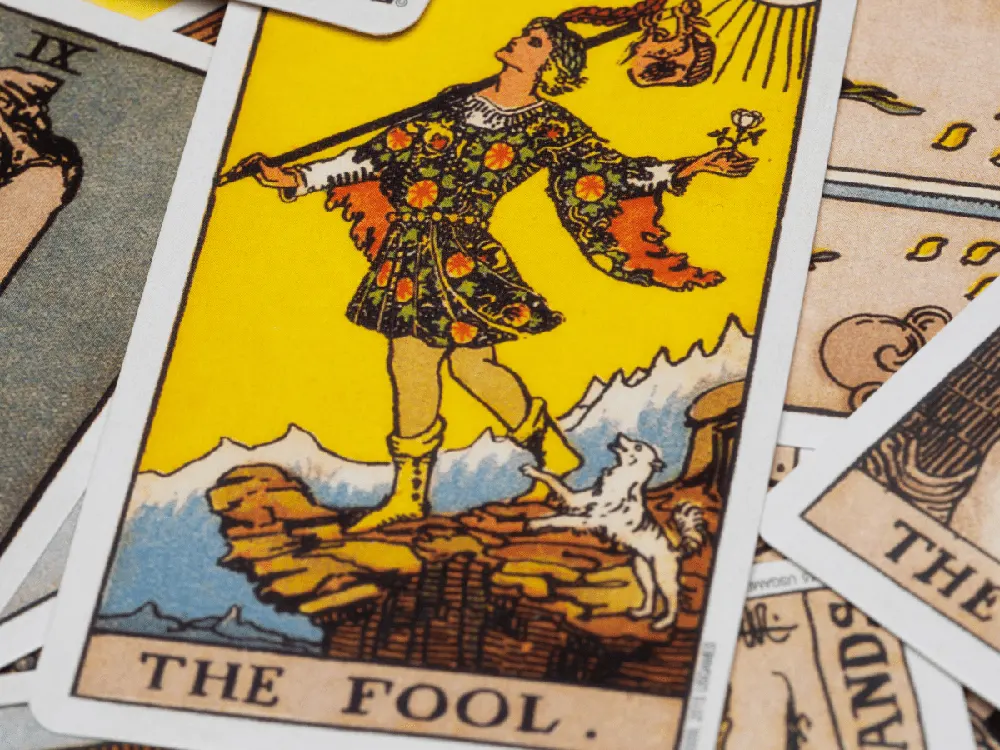
Let’s start with the Major Arcana. These cards, numbered from 0 (The Fool) to 21 (The World), depict archetypal figures and themes. For example, The Magician symbolizes manifestation and resourcefulness, urging you to harness your skills. The High Priestess embodies intuition and mystery, encouraging inner wisdom. As a beginner, study one Major Arcana card per day—note its imagery, colors, and symbols. This builds a personal connection, essential for intuitive readings.
The Empress, card III, represents nurturing and abundance, often linked to femininity and creativity. In contrast, The Tower signifies sudden change or upheaval, reminding us that destruction can lead to renewal. Beginners often fear “negative” cards like Death or The Devil, but they symbolize transformation and facing shadows, not literal doom.
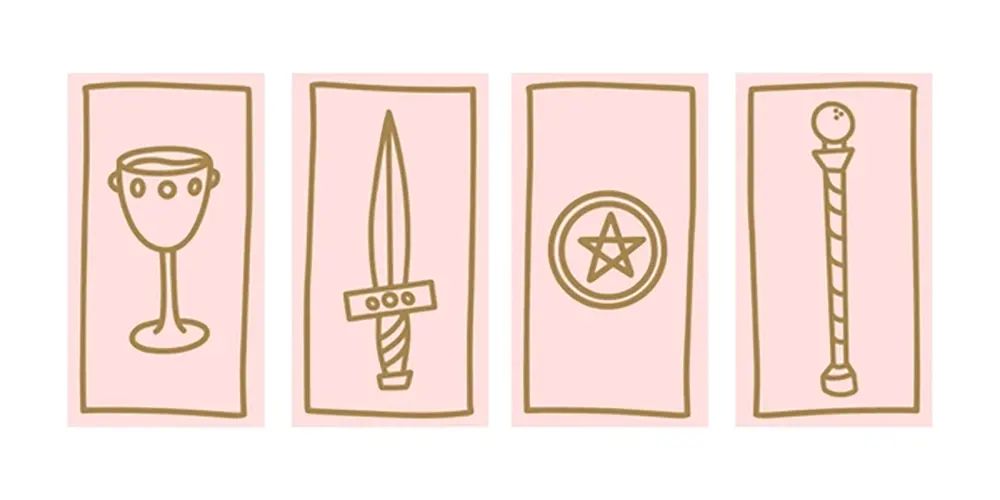
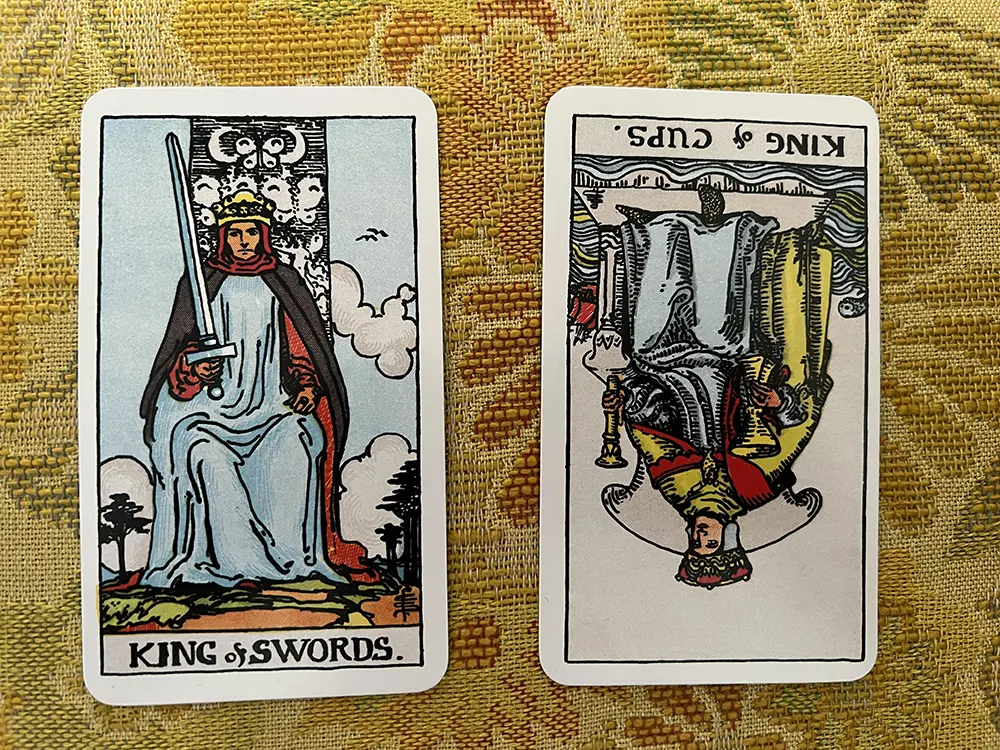
Now, the Minor Arcana: divided into four suits—Cups (emotions, water element), Swords (intellect, air), Pentacles (material world, earth), and Wands (action, fire). Each suit has 14 cards: Ace through 10, plus four court cards (Page, Knight, Queen, King).
Cups focus on relationships and feelings. The Ace of Cups signifies new emotional beginnings, like falling in love or spiritual awakening. The Two of Cups represents partnership and harmony. For beginners, relate these to personal experiences—think of a time when emotions overflowed, mirroring the Three of Cups’ celebratory vibe.
Swords deal with thoughts and conflicts. The Ace of Swords is about clarity and truth, cutting through illusions. The Ten of Swords depicts rock bottom, but it signals the end of a cycle. Beginners should note how Swords can indicate mental stress, advising balance.
Pentacles cover finances, career, and physical health. The Ace of Pentacles offers new opportunities, like a job or investment. The Five of Pentacles highlights hardship, but with resilience themes. This suit grounds tarot in practicality.
Wands embody passion and initiative. The Ace of Wands sparks creativity, while the Eight of Wands suggests swift progress. Court cards add personality: Pages are youthful learners, Knights are dynamic, Queens nurturing, Kings authoritative.
Reversals—when cards appear upside down—add nuance. For beginners, decide if you’ll use them; they can indicate blocked energy or internal focus. Practice by pulling a daily card and journaling its meaning upright and reversed.
To deepen understanding, explore numerology in tarot. Aces represent potential, Twos choices, Threes growth, and so on. Colors matter too—red for passion, blue for calm. As you learn how to read tarot cards for beginners, create flashcards or use apps like Labyrinthos for interactive study.
Preparing for Your First Tarot Reading: Creating the Right Environment
Before diving into a tarot reading step by step, preparation is vital for beginners. Start by selecting a deck that resonates—Rider-Waite is beginner-friendly due to its illustrative scenes. Cleanse your deck with sage, moonlight, or visualization to clear energies.
Set up a sacred space: a quiet room with dim lighting, perhaps candles, crystals like amethyst for intuition, or incense. Comfort is key—sit at a table with a cloth to protect cards. Ground yourself with deep breaths or meditation to center your mind.
Formulate a clear question. Avoid yes/no queries; opt for open-ended ones like “What insights can I gain about my career?” This aligns with tarot’s reflective nature. As a beginner, start with personal readings to build confidence before reading for others.
Ethical considerations: Tarot isn’t for diagnosing illnesses or legal advice. Always empower the querent (person asking) rather than predict doom. If combining with astrology, note planetary influences, but keep focus on tarot basics.

Step-by-Step Guide to Conducting Your First Tarot Reading
Now, the heart of how to read tarot cards for beginners: the actual process. Follow these steps meticulously.
- Center and Intent: Begin with a moment of silence. State your intention aloud, like “I seek guidance on [topic].”
- Shuffle the Cards: Hold the deck, focus on your question, and shuffle. Methods include overhand, riffle, or fanning. Stop when it feels right. Image Suggestion 6: Show someone shuffling cards.

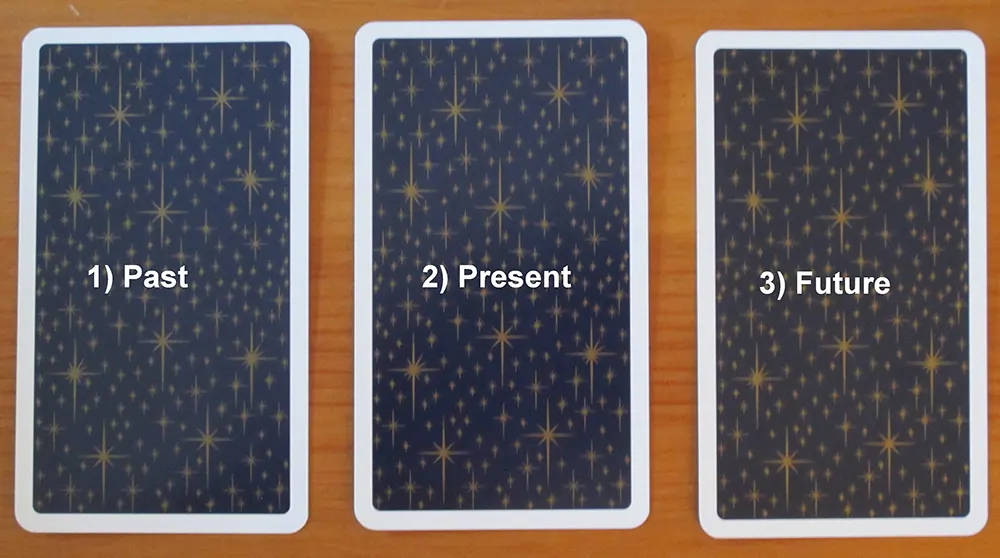
- Draw the Cards: Cut the deck or fan them out, selecting intuitively. For your first reading, use a simple three-card spread: Past, Present, Future.
- Interpret the Cards: Look at imagery first—what stories do they tell? Combine keywords: for example, if The Lovers appears in Present, it might indicate a choice in relationships. Consider positions and interactions.
- Reflect and Journal: Note interpretations and feelings. Over time, patterns emerge. Image Suggestion 7: Illustrate journaling with tarot.
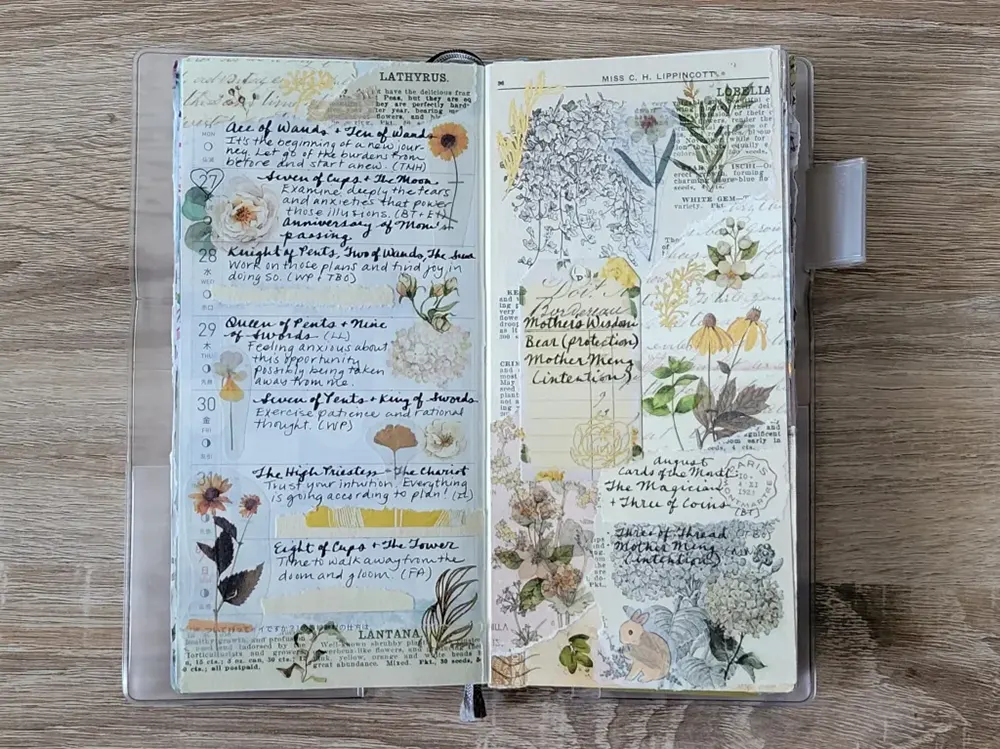
Expand each step with examples. For shuffling, discuss how some riffle for randomness, others overhand for gentleness. In drawing, explain fan selection vs. top draw. Interpretation: Detail a sample reading—e.g., Past: Five of Cups (loss), Present: The Star (hope), Future: Ten of Pentacles (stability). Discuss reversals: A reversed Star might mean lost faith.
For advanced beginners, incorporate elemental associations or numerology. Practice daily pulls to hone skills.
Popular Tarot Spreads for Beginners
Beyond basics, explore spreads in your tarot reading step by step. The three-card spread is ideal: Position 1 (Past), 2 (Present), 3 (Future). It’s simple yet insightful. Image Suggestion 8: Show a three-card spread.
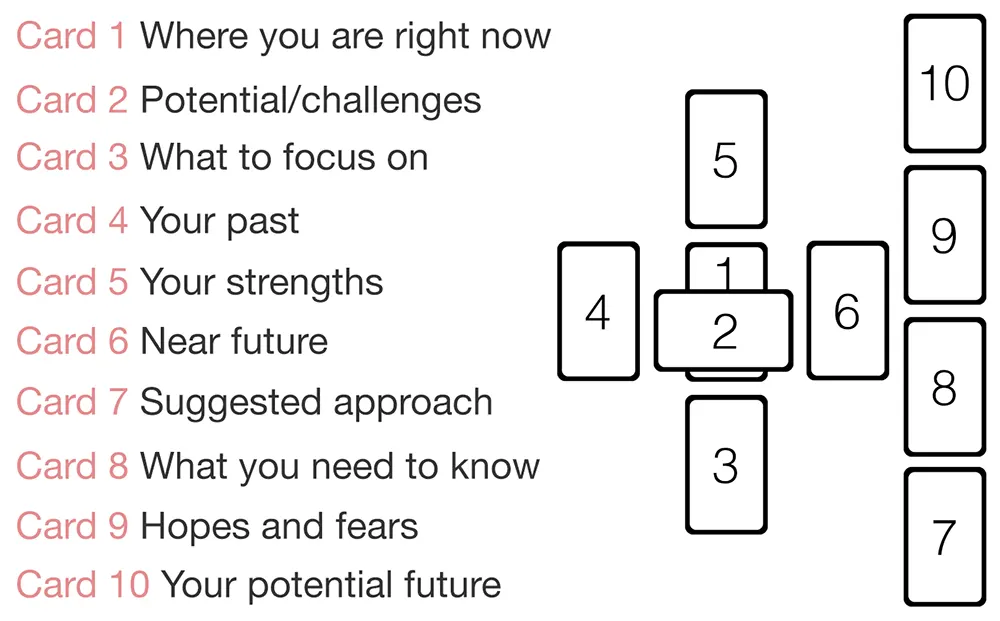
The Celtic Cross, a 10-card layout, offers depth: Covers current situation, challenges, past influences, etc. For beginners, practice with it after mastering simpler ones.
Other spreads: One-card for daily guidance, Relationship spread for love queries.
Common Questions About Tarot Reading for Beginners
As you explore how to read tarot cards for beginners, questions arise. Here are FAQs:
- What if I get “bad” cards? They highlight areas for growth, not inevitable fate.
- How often should I read? Daily for practice, but avoid over-reliance.
- Can tarot predict the future? It offers possibilities, not certainties.
- Do I need psychic abilities? No—intuition develops with practice.
- What’s the difference between upright and reversed? Reversed often means internalized or delayed energy.
- How do I choose a deck? Pick one with appealing artwork; Rider-Waite for starters.
- Can I read for others? Yes, with consent and ethics.
- What if interpretations don’t match books? Trust your intuition; books are guides.
- How to store my deck? In a pouch or box, away from negative energies.
- Is tarot compatible with my religion? Many adapt it; check personal beliefs.
These address common concerns, easing your entry into tarot.
Conclusion: Embracing Your Tarot Journey
Congratulations on taking the first steps in how to read tarot cards for beginners! This guide has equipped you with the knowledge for your first tarot reading step by step, from deck basics to interpretation. Remember, tarot is a personal tool for empowerment and self-discovery. As you practice, your confidence will grow, revealing deeper layers of insight.
In a world full of uncertainties, tarot offers a beacon of reflection. Whether integrating it with palmistry or astrology, or using it standalone, the key is consistency and openness. Your first reading might feel awkward, but each one builds intuition. Embrace the magic—tarot isn’t just cards; it’s a conversation with your higher self.
For more resources, consider books like “78 Degrees of Wisdom” by Rachel Pollack or online communities. Keep exploring, and may your readings be enlightening. If this sparked your interest, share your experiences—tarot thrives in community.
Related Posts
The Importance of Grounding Before a Tarot Reading
How to Ask Tarot Questions: Choosing the Right One for Accurate Insights
Understanding the Role of the Querent in a Tarot Session
Combining Tarot with Pendulums for Clarity