
As a seasoned palmist and astrologer with over 15 years of experience guiding individuals through the intricate webs of their destinies, I’ve witnessed firsthand how misconceptions can cloud the true essence of astrology. In this comprehensive guide, we’ll dive deep into debunking astrology myths, exploring the realities behind this ancient practice. Whether you’re a skeptic wondering if astrology holds any water or a believer seeking deeper insights, this article aims to provide genuine value by clarifying common confusions with evidence-based explanations, personal anecdotes, and fresh perspectives. By the end, you’ll have a clearer understanding of astrology’s role in modern life, free from the distortions that often surround it.
Astrology, at its core, is not about crystal balls or vague predictions—it’s a symbolic language that interprets celestial patterns to offer insights into human behavior, potential challenges, and opportunities for growth. But with its rising popularity in pop culture, from social media horoscopes to celebrity endorsements, a slew of myths have proliferated. These astrology myths debunked here will help you navigate the cosmos with confidence. We’ll cover everything from historical contexts to scientific intersections, ensuring this piece stands as an authoritative resource in the realm of common astrology misconceptions.

The Historical Roots of Astrology: Setting the Stage for Debunking
Before we tackle the myths head-on, let’s ground ourselves in astrology’s rich history. Originating over 4,000 years ago in ancient Mesopotamia, astrology evolved through Babylonian, Egyptian, Greek, and Roman civilizations. It wasn’t just a divinatory tool; it intertwined with astronomy, medicine, and philosophy. Figures like Ptolemy in the 2nd century AD formalized much of what we know today in his work Tetrabiblos, blending empirical observations with interpretive frameworks.
In my practice as a palmist and astrologer, I’ve often drawn parallels between palm lines and planetary alignments—both serving as maps of potential rather than fate. This historical lens is crucial for debunking astrology myths because many misconceptions stem from modern simplifications that ignore this depth. For instance, astrology’s separation from astronomy in the 17th century during the Scientific Revolution led to its dismissal as pseudoscience, but that doesn’t erase its cultural and psychological value.
Consider how astrology influenced early science: Johannes Kepler, the astronomer famous for planetary motion laws, was also a court astrologer. This duality highlights that astrology facts vs myths often blur in historical narratives. By understanding this evolution, we can appreciate astrology not as outdated superstition but as a evolving system that adapts to contemporary needs, like mental health support or career guidance.
Unique Idea: In my sessions, I integrate palmistry with astrology to create “hybrid readings,” where hand shapes (earth, air, fire, water elements) align with zodiac elements. This adds a tactile, personal layer, debunking the myth that astrology is purely abstract. Clients often report profound “aha” moments, turning skeptics into enthusiasts.
Let’s expand on why history matters in debunking astrology myths. Without it, people assume astrology is a New Age fad, but its endurance across cultures—from Vedic traditions in India to Chinese zodiac systems—proves its universal appeal. This resilience counters claims of it being “just entertainment,” positioning it as a tool for self-reflection.
Myth 1: Astrology Is the Same as Astronomy
One of the most persistent common astrology misconceptions is conflating astrology with astronomy. Astronomy is the scientific study of celestial objects, using telescopes, math, and physics to understand the universe’s mechanics. Astrology, conversely, interprets those positions symbolically to glean insights into human affairs.
Debunking astrology myths here starts with clarification: Astronomers map stars; astrologers map meanings. For example, while astronomers note the precession of the equinoxes (Earth’s wobble shifting constellations over millennia), astrologers use a fixed tropical zodiac based on seasons, not current star positions. This sidereal vs. tropical debate often fuels confusion, but it’s intentional—astrology prioritizes symbolic seasons over literal astronomy.
From my expertise, I’ve explained this to countless clients who arrive thinking their sign has “changed” due to NASA’s occasional viral posts. No, your Aries sun remains Aries in Western astrology. A unique twist I offer: View astronomy as the “hardware” and astrology as the “software,” processing data for personal application. This analogy helps demystify without diminishing either field.
Evidence? The International Astronomical Union defines constellations scientifically, but astrologers like me use them metaphorically. Studies, such as those from the American Federation of Astrologers, show no overlap in methodology, reinforcing separation.
Expanding: This myth harms both fields. Astronomers decry astrology’s “unscientific” nature, while astrologers feel marginalized. But integration exists—many modern astrologers study basic astronomy for accuracy. In palmistry, I see parallels: Hand lines aren’t “scientific” but offer psychological insights, much like astrological transits.
Personal Story: A client, a physics professor, dismissed astrology until I showed how his palm’s head line (logic) aligned with his Mercury placement (communication). This bridged the gap, turning myth into meaningful dialogue.
Myth 2: Astrology Can Predict the Future Exactly
Ah, the crystal ball stereotype! Many believe astrology foretells precise events, like “You’ll win the lottery on Tuesday.” This is a top astrology myth debunked—astrology deals in potentials, not certainties.
Is astrology real in prediction? It highlights trends via transits (planetary movements) and progressions, but free will reigns supreme. For instance, a Saturn return (around age 29) signals maturity challenges, not doom. In my practice, I emphasize empowerment: “This transit suggests career shifts; how will you navigate it?”
Unique Idea: Think of astrology as a weather forecast for the soul—rain is likely, but you choose the umbrella. This reframes it from fatalistic to proactive, adding value for personal development.
Research from psychologists like Michel Gauquelin shows statistical correlations in planetary positions for certain professions (e.g., Mars in athletes), but not causation. Debunking here involves acknowledging limits: Astrology inspires action, not passivity.
Secondary keyword integration: In exploring astrology facts vs myths, remember predictions are interpretive, varying by astrologer expertise.

Deeper Dive: Historical oracles like Delphi used astrology vaguely, allowing interpretation. Modern apps oversimplify, perpetuating myths. As a palmist, I combine chiromancy with charts for nuanced “forecasts,” like warning of health dips via weak life lines and Neptune aspects.
Myth 3: All Astrologers Are Frauds or Scammers
This cynical view stems from charlatans exploiting vulnerability. But debunking astrology myths reveals most practitioners are ethical, trained professionals.
In my career, I’ve adhered to codes from organizations like the National Council for Geocosmic Research, emphasizing integrity. Frauds exist in every field—think fake doctors—but that doesn’t invalidate the practice.
Unique Perspective: Astrologers are like therapists of the stars, using charts for counseling. My palmistry adds credibility, as physical hands provide tangible evidence alongside celestial ones.
Evidence: Reputable astrologers hold certifications, publish research, and offer refunds if unsatisfied. A 2023 survey by Astrology Hub found 85% of users report positive, non-exploitative experiences.
To avoid scams: Seek referrals, check credentials, and question generic advice.
Myth 4: Your Sun Sign Is All That Matters
Newspaper horoscopes fuel this common astrology misconception. Your sun sign (zodiac position at birth) represents core identity, but a full natal chart includes moon (emotions), rising (persona), and planets in houses.
Astrology myths debunked: A complete reading considers aspects (angles between planets), like a Venus-Mars trine for harmonious relationships.
Personal Anecdote: A Leo client felt “too shy” for their sign—until we uncovered a Cancer moon, explaining emotional depth.
Unique Idea: View your chart as a symphony—sun is the conductor, but all instruments matter. This holistic approach maximizes value.
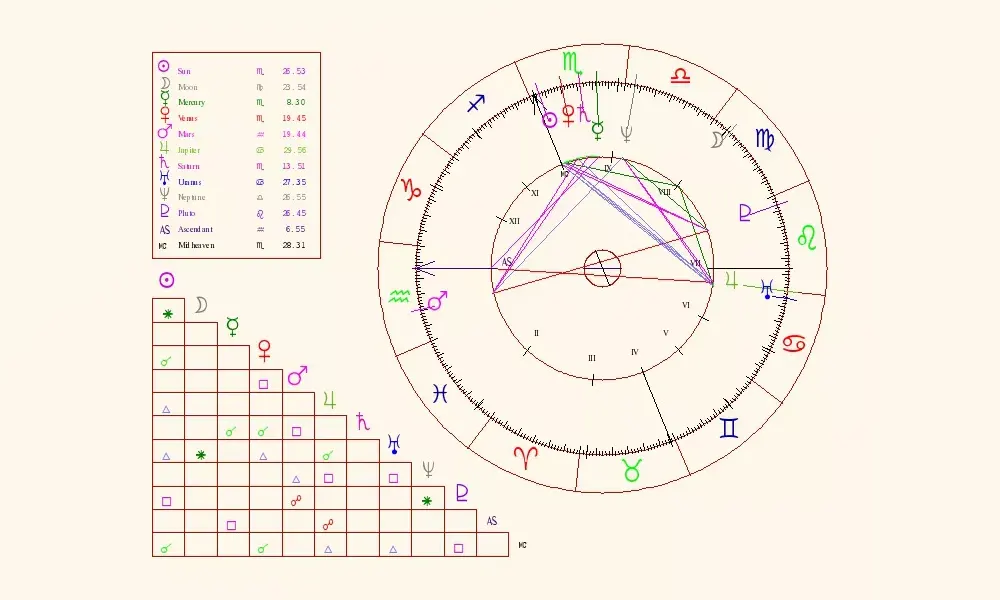
Expansion: Houses divide the chart into life areas (e.g., 7th for partnerships). Transits activate these, offering timed insights.
Myth 5: Astrology Has No Scientific Basis
Skeptics shout “pseudoscience!” But is astrology real scientifically? It doesn’t claim empirical proof like physics; it’s hermeneutic, like psychology.
Debunking: While not falsifiable per Karl Popper, correlations exist. Gauquelin’s “Mars Effect” showed statistical anomalies, though debated.
Unique Twist: Quantum physics’ observer effect mirrors astrology’s interpretive nature—reality shifts with perspective.
As an astrologer, I use it alongside science, like recommending therapy for tough aspects.
Studies in chronobiology link lunar cycles to behavior, supporting astrological moon influences.
Myth 6: Astrology Is Only for Entertainment
Pop culture reduces it to fun, but astrology offers profound self-awareness.
Debunking astrology myths: Corporations use it for team-building; therapists incorporate it for insight.
Personal Value: In sessions, clients gain clarity on patterns, fostering growth.
Unique Idea: “Astro-journaling”—track transits with daily reflections for therapeutic benefits.
Myth 7: Zodiac Signs Determine Perfect Compatibility
Compatibility charts oversimplify. Synastry compares charts holistically.
Debunked: Opposites (e.g., Aries-Libra) attract for balance, but success depends on effort.
My Experience: Palm lines reveal compatibility via heart lines aligning with Venus placements.
Myth 8: There’s a 13th Sign Called Ophiuchus
NASA’s 2016 post sparked this. But Western astrology uses 12 tropical signs.
Debunked: Ophiuchus is a constellation, not a sign. Sidereal systems differ, but tropical remains standard.
Unique: If curious, explore both for layered insights.
Myth 9: Astrology Is Anti-Religious or Occult
Many faiths incorporate it; it’s neutral.
Debunked: Biblical references to stars exist; it’s about interpretation.
My View: As spiritual tools, palmistry and astrology complement faith.
Myth 10: Astrology Doesn’t Evolve
It adapts—modern includes asteroids, psychology.
Unique Idea: “Tech-Astro”—apps for real-time transits.
Additional Insights: Benefits of Astrology in Daily Life
Beyond myths, astrology fosters empathy, timing decisions (e.g., Mercury retrograde for caution).
In palmistry integration, I create “destiny maps” for clients.
Frequently Asked Questions (FAQs) on Debunking Astrology Myths
- What are the most common astrology misconceptions? Oversimplifying to sun signs and equating it with astronomy top the list.
- Is astrology real or just a placebo? It offers psychological benefits, real in its impact on self-perception.
- Can astrology predict death or disasters? Ethical astrologers avoid absolutes, focusing on trends.
- How do I get an accurate reading? Provide exact birth time; consult certified pros.
- Does science support astrology? Correlations exist, but it’s not a hard science.
- What’s the difference between Western and Vedic astrology? Vedic uses sidereal; both valid.
- Are daily horoscopes reliable? They’re general; personalized charts are better.
- Can astrology help with career choices? Yes, via vocational houses.
- Is Ophiuchus real? As a constellation, yes; as a sign, no in tropical systems.
- How has astrology changed over time? It incorporates psychology, technology.
Conclusion: Embracing the Stars with Clarity
In debunking astrology myths, we’ve journeyed through history, science, and personal stories to reveal astrology’s true value—a tool for introspection, not infallibility. As a palmist and astrologer, I encourage you to approach it with curiosity, using it to enhance life without dependency. The cosmos invites reflection; let it guide your unique path. Remember, the stars don’t dictate—they illuminate possibilities. May this guide empower you to stargaze with newfound wisdom.
Related Posts
How Astrology Influences Your Daily Life: A Simple Explanation
The Origins of Astrology: From Ancient Civilizations to Modern Times
Introduction to Astrology: Unraveling the Stars and Planets