
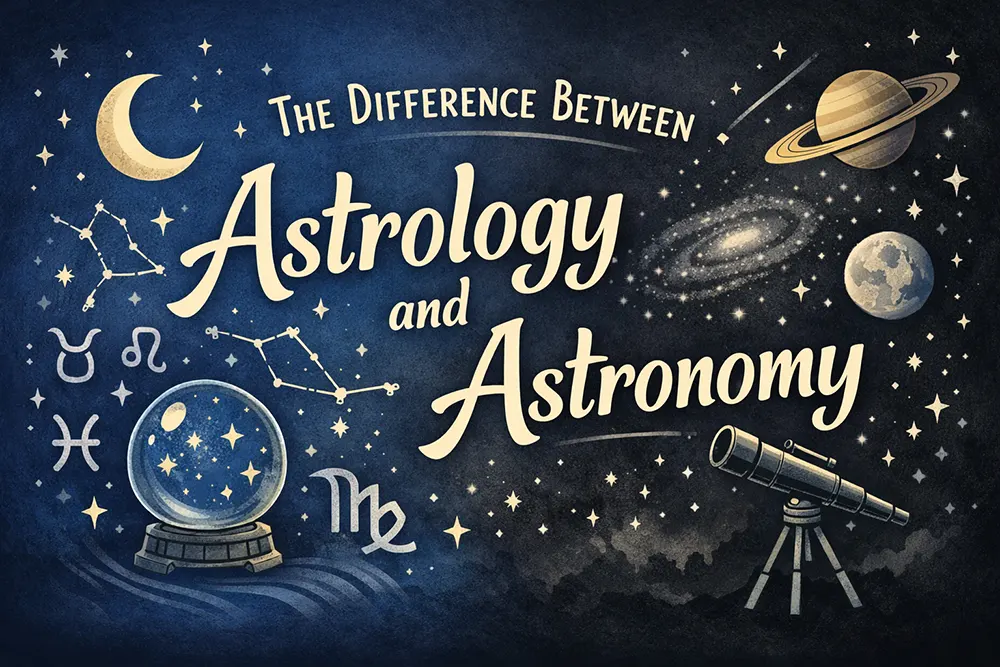
In the vast expanse of the night sky, humans have long sought meaning and understanding. Whether gazing at twinkling stars or consulting horoscopes for daily guidance, the heavens have captivated our imagination for millennia. This fascination often leads to confusion between two fields that sound remarkably similar: astrology vs astronomy. At first glance, both deal with celestial bodies like planets, stars, and constellations, but they represent fundamentally different approaches to interpreting the universe. Astronomy is the rigorous scientific study of the cosmos, grounded in empirical evidence and mathematical models, while astrology is a belief system that posits celestial positions influence human lives and events. Understanding the difference between astrology and astronomy not only clarifies these disciplines but also highlights how humanity’s quest for knowledge has evolved from ancient myths to modern discoveries.
Why do so many people mix up astrology vs astronomy? The terms share linguistic roots—from the Greek “astron” meaning star and “nomos” for law or arrangement in astronomy, versus “logos” for study in astrology. Historically, they were intertwined, with early scholars using astronomical observations for astrological predictions. Today, however, the distinction is clear: astronomy drives technological advancements like space exploration, while astrology offers personal insights through zodiac signs and birth charts. This guide, part of our Astrology Guide (Basics) series, dives deep into astrology vs astronomy to provide real value for curious readers. We’ll explore definitions, histories, key differences, misconceptions, and modern applications, all while emphasizing unique perspectives—such as how astronomy’s data inadvertently fuels modern astrology apps, blending science with spirituality in unexpected ways.
By the end of this article, you’ll gain a comprehensive grasp of astrology vs astronomy, empowering you to appreciate both without confusion. Whether you’re a stargazer pondering your horoscope or a science enthusiast tracking exoplanets, this exploration reveals the unique value each field brings to our lives. Let’s embark on this cosmic journey, starting with the scientific pillar: astronomy.
What Is Astronomy? The Scientific Study of the Universe
Astronomy, at its core, is the branch of science dedicated to observing, analyzing, and explaining celestial objects and phenomena beyond Earth’s atmosphere. Unlike astrology, which interprets stars for personal meaning, astronomy relies on the scientific method to uncover the universe’s secrets. It encompasses everything from the birth of stars in distant nebulae to the behavior of black holes devouring matter. Key to understanding astronomy vs astrology is recognizing astronomy’s foundation in physics, mathematics, and chemistry—tools that allow us to measure distances, compositions, and motions with precision.
The history of astronomy stretches back to prehistoric times, when ancient civilizations like the Babylonians and Egyptians aligned monuments with celestial events for calendars and navigation. For instance, the Nabta Playa in Egypt, dating to around 5000 BCE, features stone alignments tracking solstices, showcasing early observational prowess. By the classical era, Greek thinkers like Aristarchus of Samos proposed a heliocentric model in the 3rd century BCE, challenging the geocentric views that dominated. Hipparchus, often called the father of trigonometry, cataloged over 1,000 stars and invented the astrolabe, a device still echoed in modern instruments.
The Renaissance marked a turning point in astronomy vs astrology debates. Nicolaus Copernicus revived heliocentrism in 1543 with his work De Revolutionibus Orbium Coelestium, shifting the Sun to the center of the solar system. Galileo Galilei, using the newly invented telescope in 1610, observed Jupiter’s moons and Venus’s phases, providing empirical evidence against geocentric models. Johannes Kepler formulated his laws of planetary motion based on Tycho Brahe’s meticulous data, describing elliptical orbits rather than perfect circles. Isaac Newton’s law of universal gravitation in 1687 unified celestial and terrestrial mechanics, explaining why planets orbit the Sun.
Modern astronomy has exploded with advancements. The 20th century brought Edwin Hubble’s discovery in 1929 that galaxies are receding, proving the universe is expanding and supporting the Big Bang theory proposed by Georges Lemaître. Space telescopes like the Hubble Space Telescope, launched in 1990, have captured breathtaking images of distant galaxies, revealing the universe’s age at about 13.8 billion years. The James Webb Space Telescope (JWST), operational since 2022, peers into infrared wavelengths to study the earliest stars and exoplanets, potentially habitable worlds orbiting other stars.
Astronomy’s main branches reflect its vast scope. Observational astronomy collects data through telescopes across electromagnetic spectrums: optical for visible light, radio for detecting hydrogen emissions, infrared for piercing dust clouds, and X-ray for high-energy events like black hole accretions. Theoretical astronomy builds models, using simulations to predict phenomena like supernova explosions. Subfields include stellar astronomy (studying stars’ life cycles), galactic astronomy (mapping the Milky Way’s structure), extragalactic astronomy (analyzing distant galaxies), and cosmology (exploring the universe’s origin and fate, including dark matter and dark energy, which comprise 95% of its mass-energy).
Scientific methods in astronomy emphasize testability and peer review. Astronomers use spectroscopy to identify elements in stars by analyzing light wavelengths, as pioneered by Gustav Kirchhoff in the 19th century. Astrometry measures positions for parallax calculations, determining stellar distances. Multi-messenger astronomy combines gravitational waves (detected by LIGO in 2015) with electromagnetic observations for comprehensive insights. Amateurs contribute too, discovering comets via backyard telescopes or citizen science platforms like Zooniverse.
A unique idea in the astrology vs astronomy context: Astronomy’s precise data on planetary positions is ironically used in astrology software to generate accurate horoscopes. This symbiosis shows how science underpins even belief-based practices, adding layers to their relationship. Astronomy’s real-world value extends to technology—GPS satellites rely on general relativity corrections, and medical imaging draws from astronomical detectors. In daily life, astronomy informs weather forecasting through solar activity monitoring and inspires environmental awareness by revealing Earth’s fragility in the cosmos.
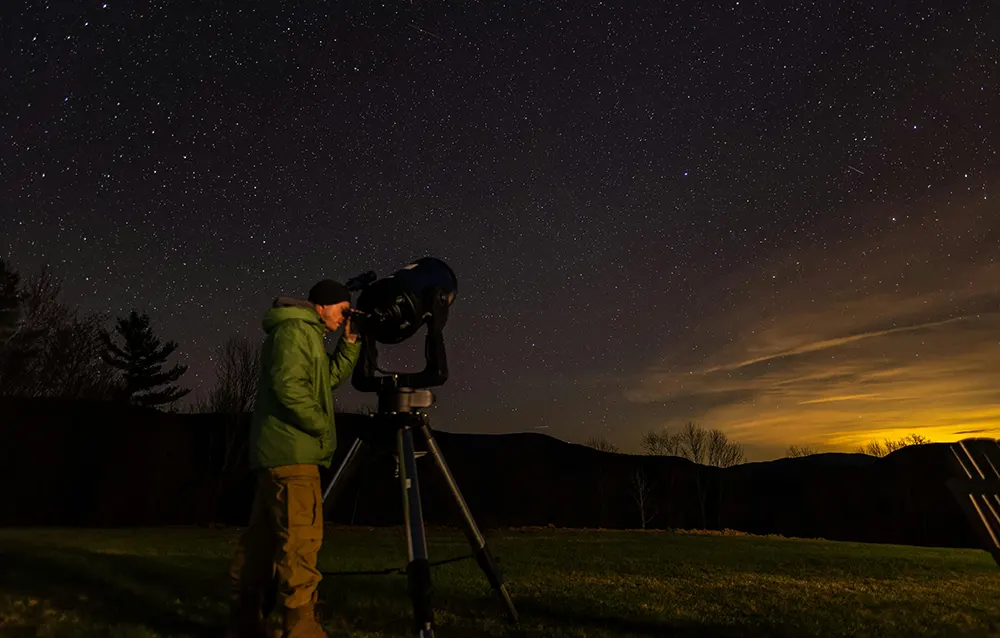
Astronomy continues to push boundaries, with missions like NASA’s Artemis program aiming for lunar bases and Mars exploration. Unsolved mysteries, such as the nature of dark energy accelerating cosmic expansion, drive ongoing research. In essence, astronomy transforms wonder into knowledge, distinguishing it sharply from astrology’s interpretive lens.
What Is Astrology? The Art of Celestial Interpretation
Shifting gears in our astrology vs astronomy exploration, astrology is a divinatory practice that interprets the positions and movements of celestial bodies to gain insights into human behavior, events, and destinies. Unlike astronomy’s objective measurements, astrology assumes a symbolic connection between the cosmos and earthly affairs, often summarized as “as above, so below.” It’s not a science but a belief system, providing guidance through horoscopes, birth charts, and zodiac signs. In the context of astrology vs astronomy, astrology uses astronomical data—like planetary alignments—but applies them subjectively for personal or predictive purposes.
Astrology’s history predates recorded time, emerging in Mesopotamia around 2000 BCE with Babylonian priests tracking omens via clay tablets like the Venus Tablet of Ammisaduqa. It spread to ancient Egypt, where pharaohs consulted stars for decisions, and to Greece via Hellenistic influences after Alexander the Great’s conquests. Claudius Ptolemy’s Tetrabiblos in the 2nd century CE codified Western astrology, blending astronomy with divination. In India, Vedic astrology (Jyotisha) integrated into Hindu philosophy by the 3rd century BCE, focusing on karma and lunar mansions. Chinese astrology, tied to the lunar calendar and yin-yang principles, assigned animal signs to years, influencing festivals like the Chinese New Year.
During the Islamic Golden Age, scholars like Al-Biruni refined astrological techniques while distinguishing them from astronomy. Medieval Europe saw astrology flourish in courts, with figures like Geoffrey Chaucer referencing it in literature. The Renaissance blended it with science—John Dee advised Queen Elizabeth I using astrological charts. However, the Enlightenment’s rationalism, bolstered by Newton’s mechanics, marginalized astrology as pseudoscience. A 20th-century revival came through Theosophy and New Age movements, with Carl Jung incorporating it into psychology as a tool for archetype exploration.
Types of astrology vary globally. Western astrology uses the tropical zodiac, dividing the ecliptic into 12 signs (Aries to Pisces) based on seasons, ignoring precession (the wobble of Earth’s axis shifting constellations over 26,000 years). Sidereal astrology, common in Vedic systems, aligns with actual star positions. Chinese astrology features 12 animals (Rat, Ox, etc.) in a 60-year cycle, emphasizing harmony with elements like wood or fire. Other forms include mundane astrology for world events, electional for timing actions, and horary for answering specific questions based on the query moment.
Culturally, astrology permeates society. In India, it’s used for matchmaking via kundali charts, with 80% of marriages considering compatibility. In the West, sun-sign horoscopes in newspapers reach millions, while apps like Co-Star use AI to personalize readings, blending tech with tradition. Astrology’s appeal lies in its psychological comfort—offering narratives for self-reflection amid uncertainty. A unique twist in astrology vs astronomy: Modern astrologers leverage NASA’s ephemeris data for accurate planet positions, creating a ironic dependency on science for spiritual tools.
Scientific criticism of astrology is robust. It’s deemed pseudoscience because claims lack falsifiability and empirical support. Studies like Shawn Carlson’s 1985 experiment in Nature showed astrologers couldn’t match charts to personalities better than random guessing. No physical mechanism—like gravity or electromagnetism—explains planetary influences, as distant planets exert negligible forces compared to a nearby building. Confirmation bias sustains belief, where vague predictions (Barnum effect) seem accurate retrospectively.
Despite this, astrology provides real value as a reflective practice. It encourages introspection, much like journaling, helping users navigate emotions or decisions. In therapy, “psychological astrology” aids in understanding patterns without literal predictions. This contrasts sharply with astronomy’s factual pursuits, yet both foster a sense of connection to the universe.
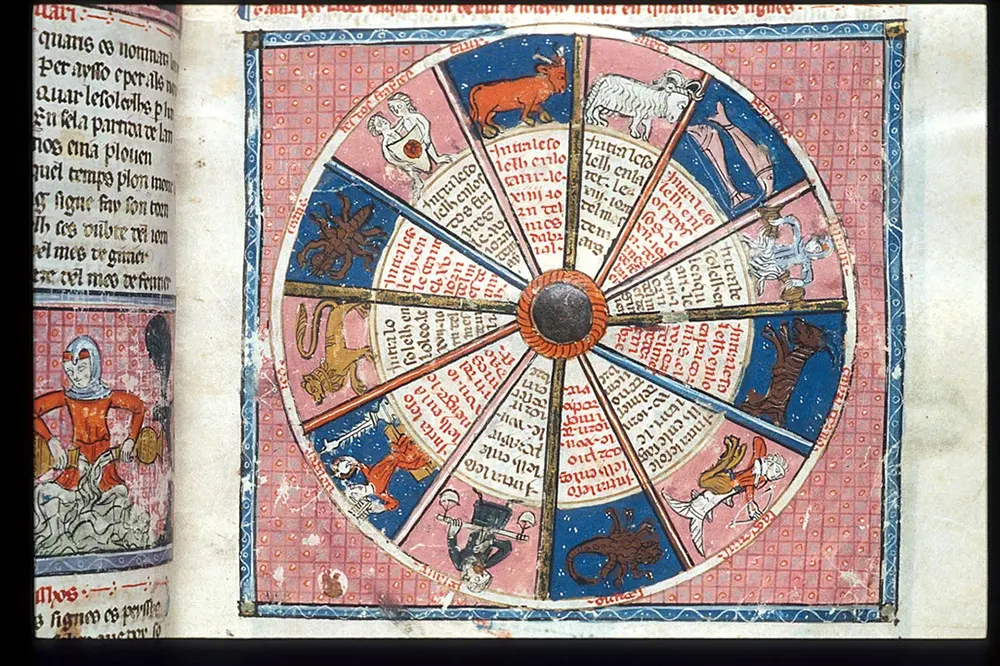
Astrology’s enduring popularity— with over 90 million Google searches annually for horoscopes—underscores its cultural role, even as science demystifies the stars.
The Historical Intertwining and Divergence of Astrology and Astronomy
To fully appreciate astrology vs astronomy, we must examine their shared origins and eventual split. For centuries, the two were inseparable, with “astronomers” often practicing astrology to fund their work. Ancient Babylonians developed the zodiac around 700 BCE, using astronomical observations for astrological omens predicting floods or wars. In Greece, Plato’s Timaeus linked cosmic order to human souls, blurring lines.
The Islamic world preserved and advanced both during Europe’s Dark Ages. Scholars like Abu Rayhan al-Biruni wrote treatises separating astronomy’s mathematics from astrology’s interpretations, hinting at divergence. Renaissance figures embodied this overlap: Tycho Brahe cast horoscopes for royalty while compiling star data; Johannes Kepler, who discovered planetary laws, earned a living as an astrologer; even Galileo drew up natal charts.
The split accelerated in the 17th century with the Scientific Revolution. Copernicus’s heliocentrism challenged astrological geocentric assumptions, and Newton’s gravity provided natural explanations for celestial motions, obviating divine influences. By the 18th century, Enlightenment thinkers like Voltaire ridiculed astrology as superstition, while astronomy formalized as a science with institutions like the Royal Astronomical Society in 1820. Reasons for the divergence included empirical testing: Astrological predictions failed under scrutiny, while astronomy’s hypotheses were verifiable.
A unique idea: This split mirrors humanity’s shift from mythos to logos—astrology retaining symbolic wisdom, astronomy pursuing objective truth. Today, echoes remain; astronomy’s precession discovery explains why your “sun sign” doesn’t match the stars, a fact astrologers adapt via tropical systems.
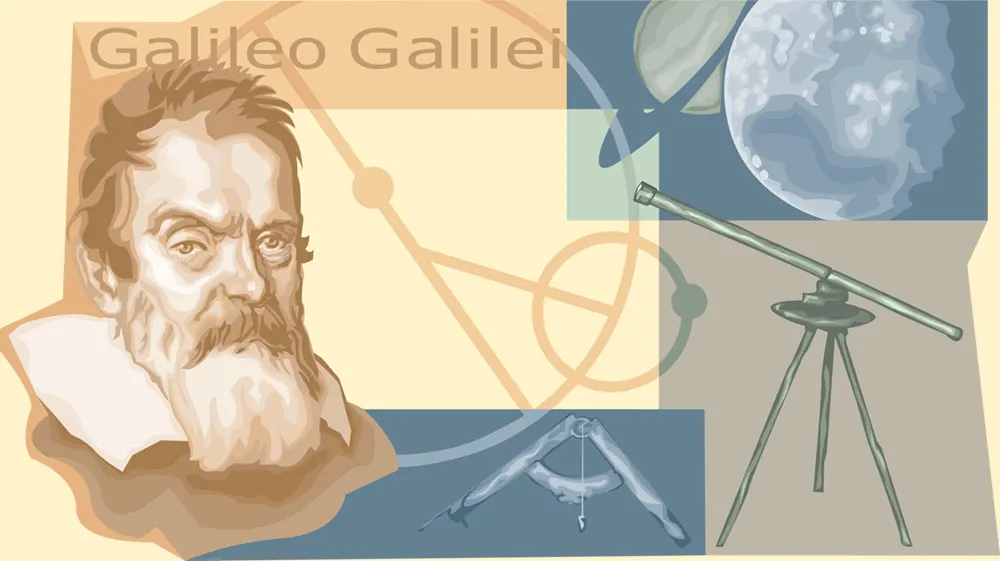
This historical lens reveals astrology vs astronomy as evolutionary siblings, one embracing mystery, the other clarity.
Key Differences Between Astrology and Astronomy
The core of astrology vs astronomy lies in their methodologies and goals. Astronomy is a natural science, employing hypothesis testing, data collection, and peer-reviewed theories to explain the universe. It predicts events like eclipses with mathematical accuracy, backed by evidence from telescopes and satellites. Astrology, conversely, is a pseudoscience, relying on symbolic interpretations without testable mechanisms. It claims planetary positions at birth shape personality—e.g., a Leo being bold—but lacks causal proof.
Key differences include:
- Basis: Astronomy uses physics (e.g., relativity for black holes); astrology uses archetypes (e.g., Mars for aggression).
- Evidence: Astronomical claims are falsifiable; astrological ones are vague and unfalsifiable.
- Purpose: Astronomy seeks knowledge (e.g., exoplanet habitability); astrology seeks guidance (e.g., career advice via transits).
- Tools: Both use ephemerides, but astronomy for orbits, astrology for charts.
- Criticism: NASA clarifies astronomy studies physical reality, while astrology is cultural, not scientific. (Note: The NASA page was not found, but general consensus aligns.)
Unique insight: In a digital age, astronomy’s open data APIs enable astrology apps, creating hybrid tools where science meets spirituality—think personalized stargazing apps with horoscope overlays.
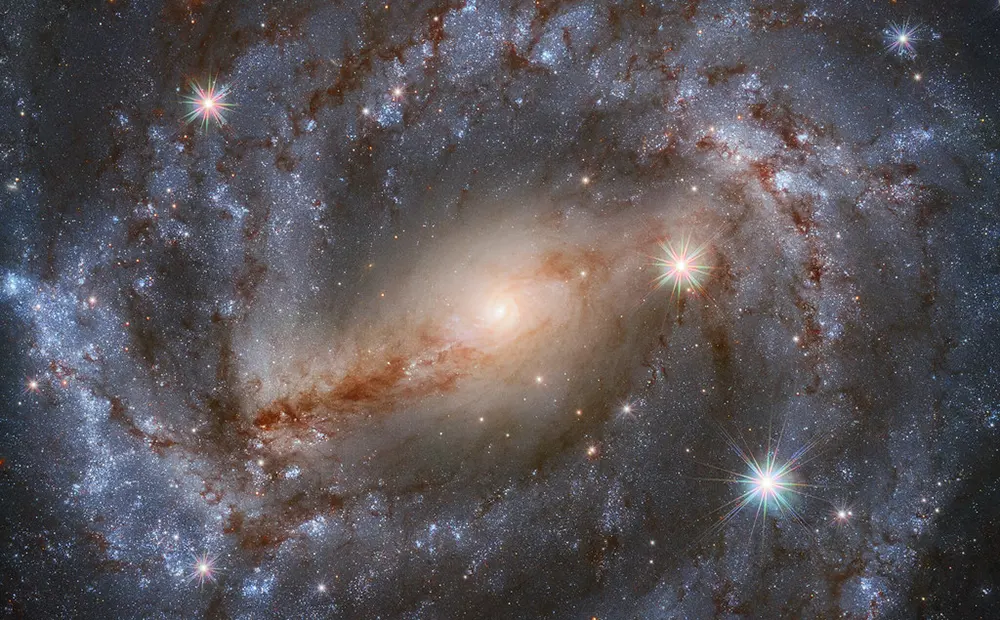
These distinctions ensure astronomy advances humanity’s frontiers, while astrology nurtures personal narratives.
Common Misconceptions About Astrology and Astronomy
Misconceptions abound in astrology vs astronomy discussions. One prevalent myth is that they are the same—astrology and astronomy diverged centuries ago, with astronomy being scientific and astrology divinatory. Another: Astrology predicts the future precisely; in reality, it’s interpretive, not deterministic, often relying on broad statements.
For astronomy: Many think the Sun is not a star or that seasons stem from Earth’s distance to the Sun (it’s axial tilt). Astrology myths include it being monolith—varieties exist globally—or random, when it’s based on systematic charts. A unique angle: Social media amplifies myths, like Ophiuchus as a “13th sign,” ignoring zodiac’s symbolic nature.
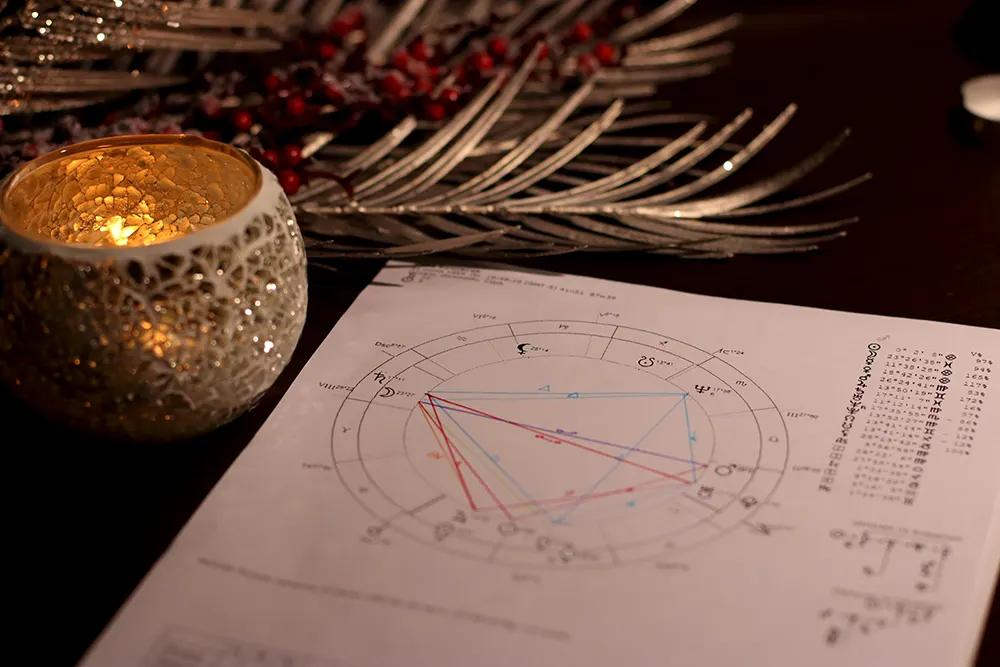
Clearing these fosters informed appreciation.
Modern Applications of Astrology and Astronomy in Daily Life
Astronomy impacts daily life profoundly: GPS uses satellite orbits, weather apps track solar flares, and medical tech like CT scans evolved from astronomical imaging. It aids environmental monitoring via Earth-observing satellites studying climate change.
Astrology applies in personal development—apps for mindfulness, career planning via transits, or therapy integrating charts for self-awareness. Unique idea: Hybrid uses, like astronomers using astrological metaphors for public outreach, making science accessible.


Both enhance life uniquely.
Frequently Asked Questions About Astrology vs Astronomy
What is the main difference between astrology and astronomy?
Astronomy is science studying the universe empirically; astrology interprets celestial positions for human insights symbolically.
Are astrology and astronomy related historically?
Yes, they were once unified, diverging in the 17th century due to scientific methods.
Can astronomy prove or disprove astrology?
Astronomy provides data but can’t “disprove” astrology, as it’s not scientific; studies show no empirical support.
Why do people believe in astrology if it’s not science?
It offers psychological comfort, self-reflection, and cultural tradition.
How has astronomy changed daily life?
Through tech like navigation, imaging, and space-derived materials.
Is there a 13th zodiac sign in astrology vs astronomy?
Ophiuchus is a constellation in astronomy, but astrology’s zodiac is fixed at 12 signs.
Conclusion: Embracing the Stars in Their Dual Light
In concluding our deep dive into astrology vs astronomy, we see two paths diverging from a common root: one of empirical discovery, the other of personal meaning. Astronomy unveils the universe’s grandeur, fueling innovations that connect us globally, while astrology provides a mirror for introspection, helping navigate life’s uncertainties. Together, they remind us of humanity’s enduring bond with the cosmos—whether through a telescope’s lens or a horoscope’s wisdom. Embrace both for a fuller view: Let astronomy ground you in facts, and astrology inspire your spirit. The stars, after all, shine for all interpretations.

Hello, you used to write magnificent, but the last several posts have been kinda boring… I miss your great writings. Past few posts are just a bit out of track! come on!
Thank you for your honest feedback. We appreciate it and will keep working to improve our content.